.png)

High-Performance Rooflights Bristol: The Homeowner’s Architectural Guide 2026

Updated: Jun 18
A rooflight is no longer just a window in your ceiling; in 2026, it is a sophisticated structural element that must master the delicate balance between thermal efficiency, architectural beauty, and rigorous building standards. If you are planning an extension or renovation, selecting the right rooflights Bristol specialists will ensure your project remains both beautiful and compliant. With the 0% VAT rate on residential glazing installations now in full effect, there has never been a better time to invest in your home's architectural potential.
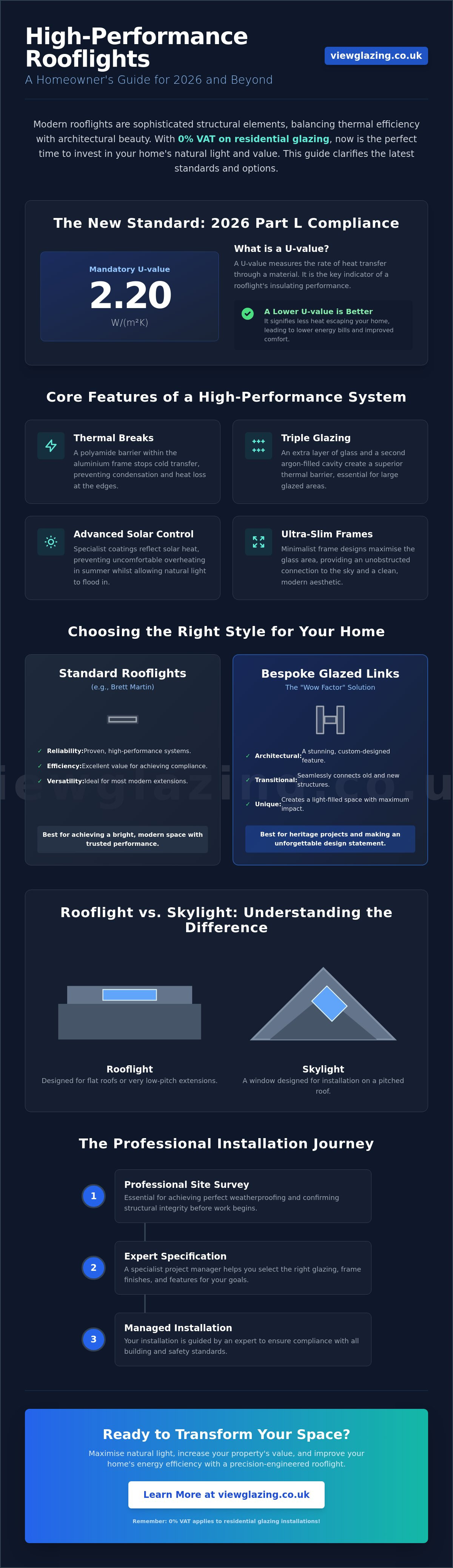
We understand that the technical side of glazing often feels daunting. You want a bright living space, but you're likely concerned about summer overheating or the strict new U-value requirements of 2.20 W/(m²K) mandated by Part L. This guide provides the clarity you need to select, specify, and install the perfect high-performance system. We will walk you through the latest 2026 standards, the benefits of premium systems like Brett Martin rooflights, and how to ensure a seamless installation process that adds lasting value to your property.
Key Takeaways
Understand the 2026 Part L requirements and why a U-value of 2.20 W/(m²K) is the new benchmark for thermal efficiency in South West homes.
Compare the reliability of Brett Martin rooflights against the bespoke "wow factor" of glazed links to determine the best architectural fit for your property.
Learn why a professional site survey is essential when choosing rooflights Bristol experts recommend for achieving perfect weatherproofing and structural integrity.
Discover how a structured installation journey, guided by a specialist project manager, ensures your renovation stays on track and complies with all safety standards.
Realise the aesthetic and property value benefits of maximising natural light through precision-engineered glazing designed to prevent summer overheating.
Table of Contents
Transforming Spaces: The Role of High-Performance Rooflights in Bristol Homes
Technical Excellence: Thermal Efficiency, U-Values, and Part L Compliance
Choosing the Right Style: Brett Martin Rooflights vs. Bespoke Glazed Links
The Professional Installation Journey: From Survey to Specification
Why View Glazing is the Trusted Choice for Rooflights in the South West
Transforming Spaces: The Role of High-Performance Rooflights in Bristol Homes
A high-performance rooflight in 2026 represents far more than a simple glazing installation; it is a structural commitment to thermal efficiency and architectural elegance. For homeowners seeking rooflights Bristol specialists, the focus has shifted from basic illumination to precision engineering. Modern systems must now provide advanced solar control to prevent summer overheating whilst maintaining exceptional U-values that exceed the latest building regulations. These units are defined by their ultra-slim frames and high-clarity glass, allowing for an unobstructed connection to the sky that traditional windows cannot replicate. When specifying rooflights Bristol projects require, we prioritise systems that balance aesthetic ambition with technical performance.
The architectural practice of daylighting is central to this transformation. Beyond the obvious aesthetic appeal, maximising natural light has profound psychological benefits, reducing reliance on artificial lighting and enhancing the overall well-being of the residents. In the dense urban terraces of Bristol, where side-facing windows often overlook neighbouring walls, a well-placed rooflight becomes the primary source of animation for the home. It defines the zones in open-plan kitchen extensions, perhaps by flooding a central island with morning light or creating a bright dining area that feels connected to the garden. This zoning creates a natural flow through the house, turning a standard extension into a curated living space.
The Aesthetic Impact on Modern Bristol Extensions
In areas like Southville and Bishopston, minimalist rooflights have become a staple of the popular industrial-chic aesthetic. These slim-frame designs complement the clean lines of modern extensions, acting as a dramatic centrepiece in what might otherwise be a dark Victorian or Edwardian floorplan. Achieving a cohesive look is essential; we often specify frame colours and finishes that precisely match existing VELFAC composite windows or Cortizo aluminium sliding doors. This attention to detail ensures that the glazing feels like an integrated part of the building’s fabric rather than an afterthought, maintaining a consistent visual language from the walls to the ceiling. To further enhance your home's interior aesthetic, you may also wish to visit First4Frames Gallery for professional guidance on selecting bespoke frames for your artwork.
Rooflight vs. Skylight: Understanding the Terminology
Homeowners often use these terms interchangeably, but the industry makes a clear distinction based on application. A "skylight" typically refers to a traditional window designed for a pitched roof, often found in loft conversions. Conversely, a "rooflight" is the preferred term for modern systems installed on flat roofs or extensions. For those looking to bridge the gap between a period property and a contemporary addition, glazed link rooflights offer a sophisticated solution. These structural glass connections preserve the character of the original masonry whilst creating a light-filled transition into the new space. This approach is particularly effective for Cotswold refurbishments where heritage and modern design must coexist in harmony.
Technical Excellence: Thermal Efficiency, U-Values, and Part L Compliance
The 2026 regulatory landscape has fundamentally changed how we approach glazing. For any renovation project involving rooflights Bristol homeowners must now prioritise the limiting U-value of 2.20 W/(m²K) as mandated by Part L of the Building Regulations. This value represents the rate of heat transfer through the unit; the lower the number, the better the insulation. Whilst standard glass might have sufficed in the past, today's high-performance architectural systems utilise thermal breaks within aluminium frames. These polyamide sections act as a barrier, preventing the cold exterior frame from meeting the warm interior air, which effectively eliminates the risk of condensation and significant heat loss.
In high-end residential projects amongst the Cotswolds, triple glazing is increasingly the preferred specification. This configuration adds an extra layer of glass and a second argon-filled cavity, providing a superior thermal barrier that is essential for large-scale glazing. A common anxiety for those installing rooflights Bristol wide is the fear of the greenhouse effect during summer. We address this through advanced solar control coatings. By managing the G-value, which is the measure of solar heat gain, these coatings reflect a significant portion of solar radiation whilst allowing natural light to flood the room. This ensures your extension remains a comfortable temperature throughout the year, regardless of the sun's intensity. If you are unsure which specification suits your property, our team can help you select the right glazing technology for your specific orientation.
Meeting Building Regulations in the South West
For new extensions in Bristol and Bath, compliance is not just about the individual unit but the total glazing area relative to the floor space. Professional specification is vital here; we coordinate with architects to ensure the entire thermal envelope meets energy targets. For properties in more exposed Somerset or Wiltshire locations, we also conduct wind-load calculations. This ensures that large-span rooflights can withstand the structural pressures of the local climate without compromising safety or weather-tightness.
Acoustic Performance and Self-Cleaning Glass
In busy Bristol city-centre locations, noise pollution can be a significant drawback. We mitigate this by using laminated acoustic glass, which features a specialist interlayer designed to dampen sound frequencies. To keep these units looking pristine, we often recommend self-cleaning coatings. These chemically react with UV rays to break down organic dirt, which is then washed away by rainwater. This technology is particularly valuable for hard-to-reach rooflights, ensuring long-term clarity with minimal maintenance whilst reducing the need for manual cleaning.
Choosing the Right Style: Brett Martin Rooflights vs. Bespoke Glazed Links
Selecting the appropriate glazing style is a critical milestone in any Bristol renovation project. It requires a careful balance between your property's existing character and your desired modern aesthetic. For many homeowners, the choice falls between the proven engineering of Brett Martin rooflights and the bespoke architectural impact of a glazed link. Both options offer exceptional performance, but they serve different structural and visual purposes. When specifying rooflights Bristol projects often require, the decision usually rests on whether you need a standalone light source or a transformative structural connection.
Deciding between a fixed or opening system depends largely on the room's function. Fixed rooflights are often the preferred choice for maximum light and cost-efficiency, as they lack the bulky hardware required for ventilation. However, in kitchen extensions where heat and steam accumulate, the extra cost of an opening unit becomes a practical necessity. Modern electric opening systems can be integrated with rain sensors and smart home technology, ensuring your interiors stay dry without manual intervention. This level of automation provides peace of mind, particularly in the unpredictable South West climate.
Frame materials also play a significant role in the final aesthetic. Aluminium remains the industry standard for its strength and ultra-slim profiles, allowing for larger glass spans that maximise the view. For those seeking a softer interior feel, timber-lined systems, such as those from Rationel, provide natural warmth whilst maintaining a weather-resistant exterior. This combination of materials is particularly effective in Cotswold refurbishments, where heritage textures are as important as modern performance.
Brett Martin: The Versatile Choice for Bristol Homeowners
The Brett Martin range is a favourite amongst Bristol architects due to its uncompromising reliability and precision. From minimalist flat glass units to modular domes, these systems are designed to integrate perfectly with both modern and period roofs. Their slim profiles ensure that the focus remains on the light rather than the frame, making them an ideal solution for urban extensions where space and light are at a premium. These units are rigorously tested to ensure long-term durability, making them a safe investment for any rooflights Bristol installation.
Architectural Glazed Links: A Seamless Connection
Glazed Link Rooflights act as a transparent bridge, connecting a period home to a contemporary extension whilst preserving the integrity of the original masonry. This approach is particularly effective in heritage renovations, where a physical separation between the old and new structures is architecturally desirable. These links present unique technical challenges, such as managing thermal expansion and ensuring structural support, but the resulting sense of space is unparalleled. They create a light-filled transition that celebrates the history of the property whilst embracing modern living.
The Professional Installation Journey: From Survey to Specification
A high-performance rooflight is an architectural investment, but its success depends entirely on the precision of its execution. For homeowners seeking rooflights Bristol wide, the journey begins long before the glass arrives on-site. A professional site survey in Bristol or Bath is non-negotiable; it's the foundation of a weather-tight, structurally sound installation. This phase allows us to coordinate directly with your architect and builder, ensuring that every technical detail aligns with the broader vision of your renovation. We take pride in acting as a steady guide, translating complex structural requirements into a seamless installation plan.
Precision is paramount throughout this process. When we talk about "millimetre-perfect" measurements, it isn't just industry jargon. For flush-fit systems, even a minor discrepancy in the aperture can lead to pooling water or unsightly gaps that compromise the minimalist aesthetic. We also assess the structural integrity of your extension. Triple-glazed units are significantly heavier than standard glass; your roof must be engineered to support this load without sagging over time. Additionally, we evaluate the orientation of the property to balance the bright morning light with the potential for afternoon heat gain, ensuring the space remains comfortable in every season.
The Site Survey and Technical Specification
Our technical survey goes beyond simple dimensions. We examine the proposed roof pitch and the height of the upstands to ensure they meet both building regulations and manufacturer requirements. This is particularly important for rooflights Bristol projects in exposed areas, where wind-load calculations determine the necessary glass thickness. By identifying these variables early, we prevent costly mid-project corrections and ensure the final specification is perfectly suited to the South West climate.
Professional Installation vs. DIY Supply
The "supply-only" model often seems attractive for its lower upfront cost, but it carries significant risks for complex architectural glazing. If a unit leaks or doesn't fit the prepared opening, the responsibility typically falls on the homeowner or a general builder who may lack specialist experience. We manage the end-to-end process to eliminate these anxieties. Using manufacturer-approved installers is the only way to guarantee that performance meets the design intent whilst protecting your long-term warranties. Our project managers oversee the entire timeline, from the initial survey to the final weather-seal. If you are ready to begin your project, you can book a professional site survey with our technical team.
Achieving a 100% weather-tight finish requires meticulous attention to the structural kerbs. These elements raise the rooflight above the roof surface, allowing water to shed effectively. We ensure the roof pitch is correctly calculated to prevent "ponding," where water sits on the glass and degrades the seals over time. In Somerset or Wiltshire locations, this becomes even more critical to withstand driving rain and high winds. Our project managers coordinate these technical details with your on-site team, ensuring the aperture is prepared exactly to the specification before the glazing arrives, avoiding the delays that often plague less organised projects.
Why View Glazing is the Trusted Choice for Rooflights in the South West
View Glazing operates at the intersection of high-end architectural expertise and dedicated local service. For homeowners investing in rooflights Bristol wide, our ethos is built on the belief that glazing should be a permanent, high-performance addition to the home's fabric. We don't merely supply units; we act as collaborators who guide you through the technical complexities of 2026 building regulations and structural design. Our reach extends across the South West, providing bespoke solutions for projects in Bristol, Frome, Bath, Chippenham, and throughout the Cotswolds. This regional presence ensures that we are always available for site visits, surveys, and the face-to-face consultations that define a successful architectural project.
Our role as a specialist partner means we take a methodical approach to every installation. We understand that a rooflight project is often part of a larger vision, which is why we prioritise clear communication between your architect, builder, and our technical team. By managing the process with precision, we alleviate the typical anxieties associated with complex glazing, replacing them with the confidence that your home is in expert hands. We invite you to view our project gallery to see how we have transformed properties across Somerset and Wiltshire with light and design.
A Curated Selection of Premium Brands
We have carefully curated a portfolio of the finest European manufacturers to ensure every project meets our standards for precision and longevity. By partnering with industry leaders such as Brett Martin, VELFAC, and Cortizo, we offer a cohesive glazing package that covers everything from rooflights to composite windows and aluminium sliding doors. This single-contractor approach is a significant advantage for homeowners; it ensures that frame finishes, glass specifications, and architectural lines remain consistent across the entire property. Whether you are seeking the minimalist profile of a Cortizo system or the robust reliability of Brett Martin rooflights, our selection is designed to prioritise both beauty and environmental responsibility. Our commitment to sustainable, high-performance glazing means your investment will continue to deliver thermal efficiency and aesthetic value for decades to come.
Your Local Bristol Glazing Experts
Choosing a specialist with deep roots in the South West provides a distinct advantage when navigating local planning nuances and regional building styles. We understand the specific requirements of urban Bristol terraces as well as the heritage considerations of Cotswold stone refurbishments. Our track record includes a diverse range of residential and commercial projects, each benefiting from our methodical approach to survey and installation. This local knowledge allows us to specify rooflights Bristol residents can trust to perform in our specific climate. If you are ready to realise your vision, you can Contact View Glazing to discuss your rooflight project and schedule a consultation with our technical team. We look forward to helping you create a bright, light-filled living space that enhances both your lifestyle and your property's value.
Realise Your Architectural Vision with Precision Glazing
Investing in high-performance glazing is a transformative step that elevates your home's aesthetic whilst meeting the rigorous environmental standards of 2026. We've explored how technical compliance with Part L and the strategic use of solar control coatings ensure your living space remains comfortable and efficient. Whether you opt for the versatile engineering of Brett Martin systems or the dramatic impact of a bespoke glazed link, the focus should always remain on the intersection of beauty and performance. Choosing the right partner for rooflights Bristol projects ensures that these complex structural elements are handled with the care they deserve.
Since 2022, we've served homeowners across Bristol, Bath, and the Cotswolds, acting as a steady guide through the technical journey from survey to final installation. As an official partner of Brett Martin, VELFAC, and Cortizo, we guarantee a level of craftsmanship that matches the quality of the products we install. Our expert site surveys and managed installation process are designed to give you complete peace of mind throughout your renovation. If you are ready to bring more natural light into your home, we're here to help you navigate every specification with confidence.
Book a Professional Glazing Consultation for Your Bristol Project
Your journey toward a brighter, more sophisticated home starts with a single conversation. We look forward to collaborating with you to create a space that truly inspires.
Frequently Asked Questions
Do I need planning permission for a rooflight in Bristol?
Planning permission isn't typically required for most rooflights Bristol homeowners choose to install, as they often fall under Permitted Development rights. This is provided the units don't protrude more than 150mm from the roof plane and aren't higher than the highest part of the roof. However, if your property is a listed building or situated within a conservation area like Clifton or Redland, you must seek formal approval from Bristol City Council before work commences.
What is the difference between a rooflight and a roof lantern?
The primary difference lies in the architectural profile and how they sit on your roof. A rooflight is designed to be flush or low-profile, making it ideal for a minimalist, contemporary aesthetic on flat or pitched roofs. A roof lantern is a raised, three-dimensional glass structure that creates a significant architectural statement. Rooflights are often preferred for modern extensions, whilst lanterns are frequently chosen to add height and traditional character to larger living spaces.
How do I prevent my rooflight from leaking?
Preventing leaks requires a combination of high-performance components and precise installation. Ensuring your installer uses a structural upstand of at least 150mm is essential for effective water shedding and weatherproofing in the South West's climate. We also calculate the correct internal pitch to prevent water from "ponding" on the glass. By choosing a professional installation journey over a DIY approach, you ensure that all seals and flashings are integrated perfectly into your roof membrane. For additional insights into high-quality roofing and architectural glazing systems, industry specialists such as synergyroofings.com highlight the importance of expert craftsmanship in maintaining a building's envelope.
Can I install a rooflight on a flat roof extension?
Yes, modern rooflights are specifically engineered for flat roof applications and are a staple of contemporary Bristol architecture. These systems are designed with a slight internal pitch within the frame or upstand to allow rainwater to run off, maintaining clarity and preventing debris buildup. High-performance systems like Brett Martin rooflights are particularly effective here, providing a seamless solution that brings natural light deep into the centre of open-plan kitchen or living areas.
How much does a professional rooflight installation cost in the UK?
Industry data for 2026 suggests the average cost to install a standard rooflight in the UK typically ranges between £1,000 and £3,000. This figure usually covers materials and labour for a basic installation, although bespoke architectural glass or larger structural links will sit at the higher end of the scale. It's also important to remember that as of April 2026, the VAT rate for residential double glazing installations is 0%, which provides a significant saving on the total project cost.
What is the best U-value for a modern rooflight?
According to the 2026 edition of Approved Document L, the limiting U-value for rooflights Bristol projects must meet is 2.20 W/(m²K). For homeowners seeking the highest levels of thermal efficiency, you should aim for a value lower than this benchmark. Triple-glazed units can often achieve significantly better performance, helping to reduce heat loss during the winter months and maintain a stable, comfortable internal temperature throughout the summer.
Are opening rooflights worth the extra investment?
Opening rooflights are a worthwhile investment for spaces that require additional ventilation, such as kitchens or bathrooms where steam and heat accumulate. They help to regulate the internal temperature and remove moisture, which prevents the buildup of condensation. We often recommend electric systems with integrated rain sensors; these automatically close the unit at the first sign of a downpour, protecting your interiors even if you're in another part of the house.
How do I clean a rooflight that is hard to reach?
Hard-to-reach units are best specified with self-cleaning glass technology. These specialist coatings use a photocatalytic process where UV rays break down organic dirt, which is then washed away by rainwater. This significantly reduces the need for manual maintenance and ensures your glazing remains clear throughout the year. For urban homes, this technology is particularly useful for managing the dust and debris common in city-centre environments without the need for specialist cleaning equipment.


Comments