

Window replacement costs, quotes and materials in Worcester

Age alone doesn’t mean your windows need replacing: windows should be expected to last a minimum of 20 years, and well-maintained ones can last longer. For window replacement, look at their condition too: persistent draughts, difficulty opening or closing, damaged frames and misting between panes can all signal that it’s time to assess them.
Choosing window replacement involves more than appearance. Timber, aluminium and composite frames each have different design and maintenance considerations, while glazing, window size and installation access affect the work involved. A survey and quote set out the specification and cost for your home.
This guide explains how to assess existing windows, prepare for installation and compare frame materials and quotes. It also covers window replacement in Bristol, Bath, Frome, Chippenham, Salisbury and the Cotswolds, so you can decide what suits your property and plan the project.
Table of Contents
How do I know if my windows need replacing?
Age is a useful prompt, but condition and operation matter too. Windows should be expected to last a minimum of 20 years, and well-maintained windows can last longer. Check for persistent draughts, water entering around the frame, difficult opening, visible decay or misting between panes. These signs can point to worn seals, damaged frames or failed glazing, rather than a problem with the whole window.
Look closely at the frame material before deciding. Timber frames need maintenance every few years to approach a 50-year lifespan. Peeling finishes, soft or decayed sections and loose joints deserve attention. Aluminium and composite frames have different maintenance needs, so compare the actual condition of the frame, seals and moving parts. A sound frame with failed glazing may need a different solution from one with widespread damage.
Window style affects both how it works and how it looks. A casement hinges at the side or top; a tilt-and-turn window opens inwards in different ways. Check that handles, hinges and locking points move smoothly. A bay window projects from the wall, so inspect its sections and surrounding joints for draughts or damage. Sash windows slide vertically; stiff movement or a frame that will not stay in position can make everyday use difficult.
Choose a replacement style to suit the opening, room and building. A casement may be a straightforward match for an existing casement, while a sash can preserve a traditional façade. Bay windows need careful attention to the shape and junctions of each section. Balance operation, appearance, frame material and glazing rather than choosing on style alone.
To choose energy-efficient windows, compare the U-values for complete window units on a like-for-like basis; a lower U-value indicates less heat transfer. For the same material and quality standard, triple glazing should be around 20-30% more energy efficient than double glazing.
In most cases, replacing windows like for like does not require planning permission under permitted development rights. Listed status or conservation-area controls can affect the permitted design, so check the property’s specific planning restrictions before choosing a replacement.
Replacement windows must meet the building regulations that apply in their nation. In England and Wales, FENSA or Certass certification shows compliance; according to UK Government, Schedule 3 recognises installers registered with FENSA under its Fenestration Self-Assessment Scheme for replacement windows in existing dwellings. Scotland and Northern Ireland have separate building-regulations systems.
For a practical comparison, record each window’s style, material, opening method and visible defects. Then compare the glazing and U-values specified for the complete proposed windows. This helps distinguish a repairable issue from window replacement that addresses the frame, operation and thermal performance together.
Installation preparation and process
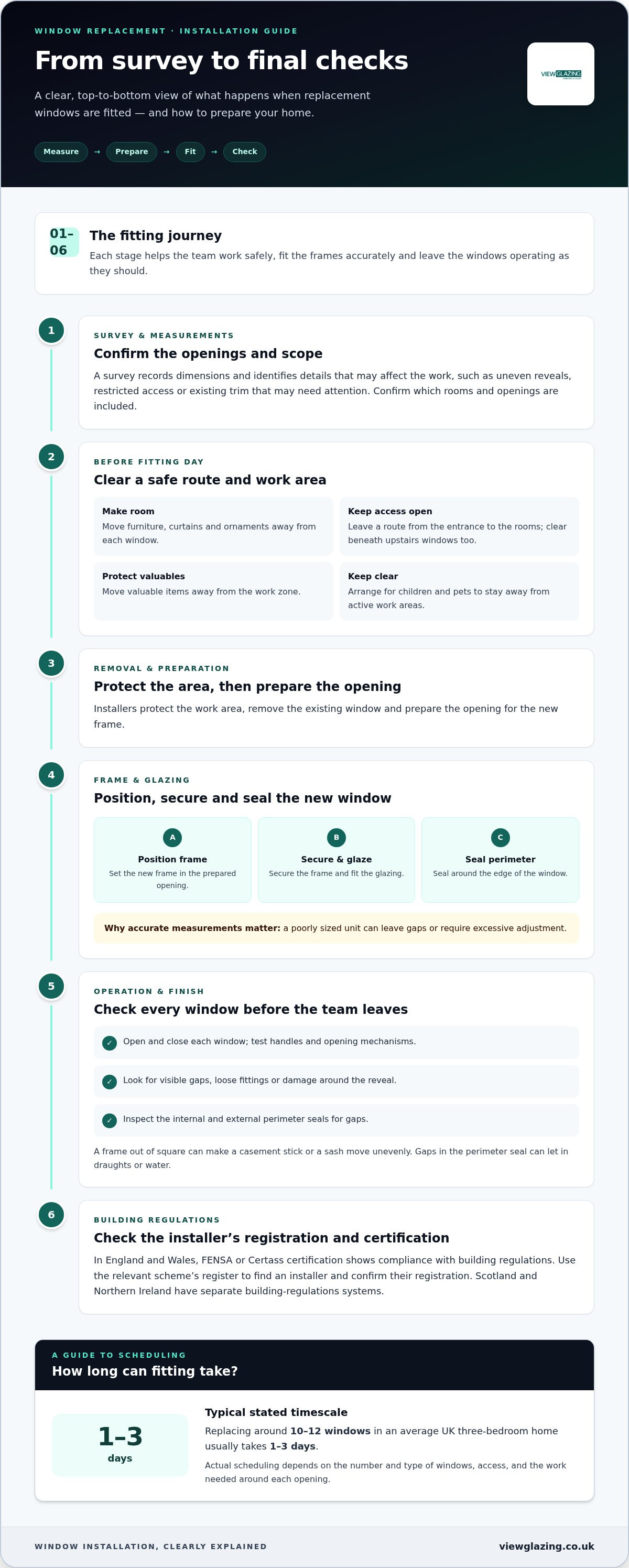
Good preparation protects your home and gives installers clear access to each opening. The work typically moves from survey and measurements to fitting, finishing and checks on operation.
Preparing for installation
Before fitting day, clear furniture, curtains and ornaments from each window area. Leave a route from the entrance to the rooms, and move valuable items away from the work zone. For an upstairs bedroom, clear the space beneath the window too. This gives the team room to handle frames and glazing safely.
Confirm which rooms are included and how installers will reach each opening. A survey records dimensions and identifies issues such as uneven reveals, restricted access or existing trim that may need attention. Arrange for children and pets to stay clear of the work area. These steps help keep rooms accessible while old frames are removed.
Installation process and timescales
On fitting day, installers protect the work area, remove the existing window and prepare the opening. They position and secure the new frame, fit the glazing, seal around the perimeter and check that handles and opening mechanisms work. The final inspection should look for visible gaps, loose fittings and damage around the reveal.
Installation times vary depending on the window and the work involved. Replacing around 10-12 windows in an average UK three-bedroom home usually takes 1-3 days. Actual scheduling depends on the number and type of windows, access, and the work needed around each opening.
For a new uPVC window, the fitting sequence is similar: remove the old unit, prepare the opening, install and secure the frame, then seal and test it. Accurate measurements matter because a poorly sized unit can leave gaps or require excessive adjustment. The same principle applies to timber, aluminium and composite frames.
To find a FENSA- or CERTASS-registered installer, use the relevant scheme’s register and confirm the installer’s registration. Installers must provide FENSA or Certass certification to show compliance with building regulations; according to UK Government, Schedule 3 recognises installers registered with FENSA under its Fenestration Self-Assessment Scheme for replacement windows in existing dwellings.
Poor fitting can leave a frame out of square, causing a casement to stick or a sash to move unevenly. Gaps in the perimeter seal can let in draughts or water. Reduce these risks by checking the survey measurements, confirming which openings are included and inspecting the finished seals and window operation before the installation team leaves.
Use this fitting-day checklist to keep the work orderly:
Clear access to every window and the route between rooms.
Keep children and pets away from active work areas.
Check each opening mechanism and handle after fitting.
Look over the internal and external perimeter seals.
For a project involving several rooms, a clear room-by-room plan helps installers work efficiently. Share access needs and any concerns about existing frames before work begins, so the survey and fitting plan can account for them.
Replacement window costs and quotes
The total cost reflects more than the frame. Compare the specification, installation and finishing details to make sure each quote covers the same scope.
Replacement window costs
The number and dimensions of windows affect the materials and fitting work required. A standard casement and a large bay window have different frame sizes and installation needs. Frame material, double or triple glazing, opening style and finish also shape the specification. Access, removing old units, waste disposal and making good around the opening can add work, especially on larger renovation projects where building contractors such as Pronamic Construction Limited manage structural preparations alongside window installations.
Totals are not meaningfully comparable if the proposed work differs. One quote might cover supply, fitting and internal finishing, while another includes only the window and installation. Check the scope of every item before comparing the final figures.
Transparent quotes and call-out charges
A clear quote should identify window sizes, styles, materials, glazing and finish. It should also explain what fitting includes, how old frames and waste are handled, and whether making good is covered. Check the total and any separate survey or call-out charge, including when that charge applies.
Compare at least three quotes against the same list of openings and requirements. If one total differs, look for changes in specification, access assumptions or finishing work. A lower figure may cover less work, so compare the written details rather than totals alone.
Use a room-by-room schedule to keep estimates aligned. Record each opening, its current style, your preferred replacement, frame material and glazing. Note, for example, whether a bay has several sections or an upstairs window has restricted external access. Share the same schedule for every quote, then compare like with like.
Review the installation and completion details as well as the products. Check what the quote says about removal, fitting, sealing and finishing around each opening. If a line is unclear, have the scope clarified in writing before accepting the estimate. This makes it easier to understand what the total includes and what falls outside it.
Match window quantities, sizes and styles across estimates.
Compare frame materials, glazing and finishes consistently.
Check removal, disposal, access and making-good details.
Read any survey or call-out charge and its terms.
The price depends on the project and is provided after a quote request; key factors include window dimensions, style, materials, glazing, access and finishing work. A window quote request is a practical next step when you have your opening schedule and preferred specifications ready.
Service coverage in Worcester and the West Midlands
For homes in Bristol, Bath and nearby areas, location shapes how a window replacement project is surveyed, supplied and fitted. View Glazing’s fitting area extends within 40 miles of Bath and Bristol, while products can be supplied nationwide.
Consider the survey and fitting as separate project stages. A survey at the property assesses its openings and requirements; fitting brings the selected windows, glazing and equipment to the address. For a home in Frome, identify the rooms and windows involved so the survey and installation scope reflect the property.
Access matters as much as the town. A terraced house in Bath with a narrow entrance presents different handling considerations from a detached home near Chippenham with clear access. For an upstairs bay window in Salisbury, note the external access and room layout. These details help define the work required at the address.
A location name alone does not describe an installation. A Bristol property may have one straightforward ground-floor casement or several large frames that require careful handling. Either way, the survey and specification should reflect the openings, access and finishing work at the home. The fitting plan should suit the property, not just its region.
For a home in Frome, Chippenham, Salisbury or the Cotswolds, record its full address and the requested work before planning. Include whether the project covers one opening or several rooms, and whether existing frames need removal. Products can be supplied nationwide, while fitting is limited to within 40 miles of Bath and Bristol.
Use this checklist to describe the project clearly:
Give the property address in Bristol, Bath or another relevant area.
List the rooms and openings, such as a kitchen casement or bedroom sash.
Describe access, including stairs, narrow hallways or restricted space outside.
Note whether the work includes removing old frames and finishing around openings.
Distinguish product supply from a project that includes installation. A supply-only request for a home outside the fitting area is different from an installation project near Bath. Matching the address and scope keeps the arrangements clear.
Before scheduling work, align the survey, delivery and fitting arrangements with the property’s access. If a Bath home has limited parking or a shared entrance, include that in the installation plan. For a larger property in the Cotswolds, identify each elevation and room so the required windows and fitting sequence are clear.
A useful coverage description identifies the address, survey location and where installation will take place. It also specifies which windows are included and what completion work forms part of the project. Homeowners in Bristol, Bath, Frome, Chippenham, Salisbury and the Cotswolds can use these details to understand how the proposed window replacement work relates to their property.
UPVC, timber and aluminium window materials
Frame material affects appearance, maintenance and expected lifespan. Compare these practical differences with your property’s style, window openings and glazing requirements. Material alone does not determine thermal performance; the complete window and its installation matter too.
uPVC windows were introduced in the 1980s as a more energy-efficient type of window. Their listed lifespan is 20 years. The material suits homeowners seeking a low-maintenance frame, but consider its appearance alongside the building. In a period property, a frame’s proportions and finish can be as important as its upkeep.
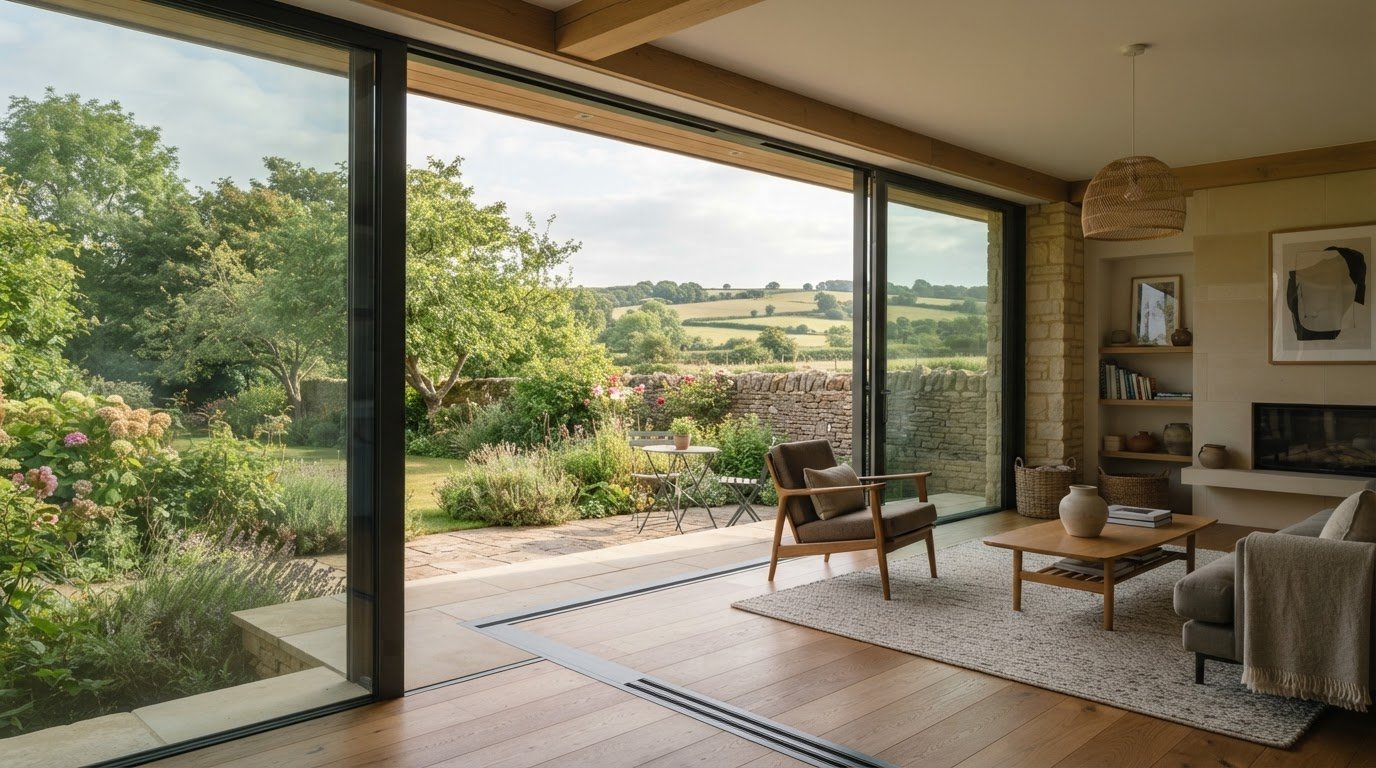
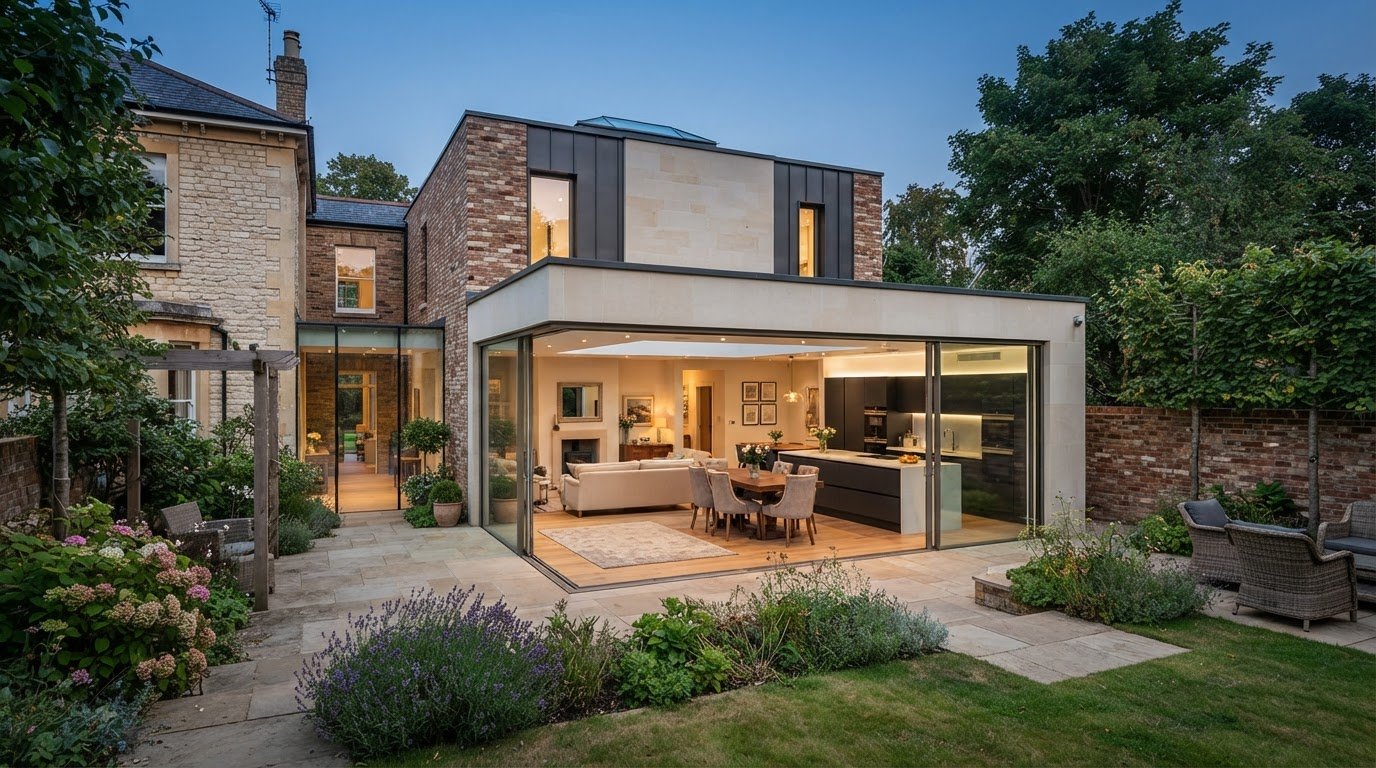
Aluminium windows have a listed lifespan of 25 years. Their slim profiles can suit contemporary designs and help create a larger glazed area. Check the frame sightlines against the style of the property, particularly when replacing windows on a traditional façade. Aluminium is also worth comparing where a crisp, modern appearance is part of the brief.
Timber windows have a listed lifespan of 50 years or more. Reaching that lifespan depends on maintenance, including refreshing protective finishes every few years. Timber brings a natural material and can complement traditional architecture, but include ongoing care in your decision. Inspect exposed areas and joints as part of routine upkeep.
Alu-clad and timber-aluminium frames combine timber with an aluminium exterior. These options may suit projects seeking timber character indoors and a different exterior finish. Compare the specific frame construction and care requirements rather than assuming every hybrid window performs identically. Consider how the material and finish will work with the building’s existing details.
Newly fitted windows can last 30 years or more, depending on material. Treat that as a broad guide, not a guarantee for every frame. Installation quality, exposure to weather and regular maintenance all affect service life. Timber, aluminium and uPVC therefore need to be assessed against the conditions and care expected at your property.
Use this comparison to organise your shortlist:
uPVC: consider its 20-year listed lifespan and maintenance needs.
Aluminium: weigh its 25-year listed lifespan and slim-profile appearance.
Timber: consider its 50-years-or-more listed lifespan alongside periodic maintenance.
Hybrid frames: compare construction, finish and care requirements for each specification.
For a home in Bristol or Bath, compare frame choices in the context of the building, not as isolated samples. Note the existing frame material, desired appearance, maintenance routine and glazing needs. Then assess complete window specifications together, including how the frame, glazing and installation contribute to the finished result.
Discuss window materials for your project to explore which frame type and specification suit your property.
View Glazing: VELFAC Composite Windows
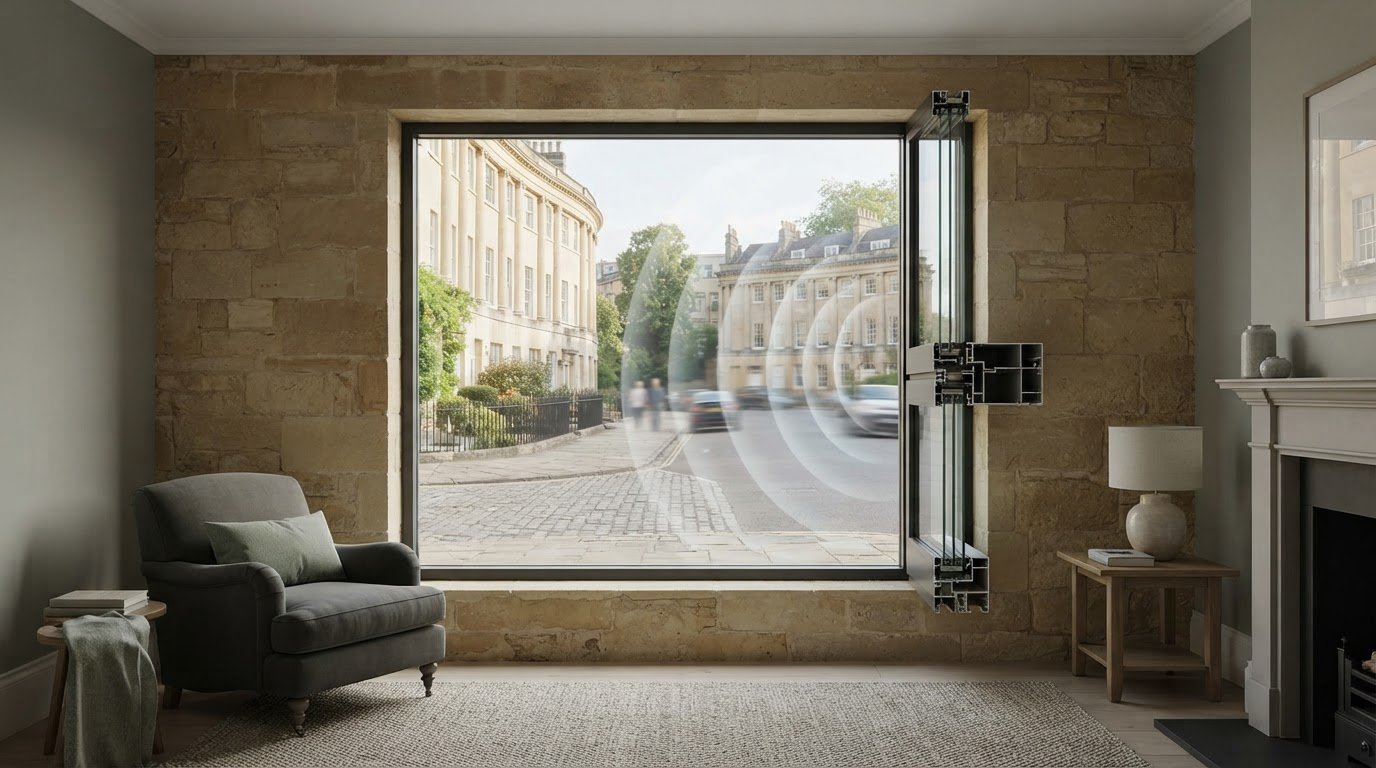
View Glazing supplies and installs VELFAC Composite Windows, taking your project from specification through to fitted windows. This can help when you’re comparing frame materials, planning window replacement or coordinating window choices with your property’s design.
View Glazing’s service includes surveying, sourcing, specification and professional installation. This helps align the selection with the window opening, glazing requirements and finish. If another material better suits the design, View Glazing also offers Rationel Timber Windows and aluminium windows.
Share your project details and preferred materials with View Glazing to discuss the next step. Arrange a survey and quote for your window project.
Shape your next step around the home
Before starting window replacement, decide how you want each room to feel. A quieter bedroom, a brighter living space or a frame that suits the building’s character can each guide the specification. Write down your priorities, preferred materials and any design details you want to retain. This brief gives the project a clear starting point.
View Glazing offers VELFAC Composite Windows and Rationel Timber Windows, as well as Cortizo Aluminium Sliding Doors for projects where the transition to an outdoor space matters. These options can help shape a considered approach to materials and design throughout your home.
Bring your requirements together before discussing the project, including the rooms involved and the look you hope to achieve. Contact View Glazing to discuss your windows and take the next step towards a specification suited to your home.
Frequently Asked Questions
How Much Do Windows Cost?
This provides a useful starting point for a straightforward window, not a like-for-like price for every style. A bay, sash or larger made-to-measure design has a different specification. Compare quotes by checking whether each includes glazing, fitting, removal of the old window and finishing around the opening.
How long do windows last?
Expected lifespan varies by frame material and maintenance. The listed lifespan is 20 years for uPVC and 25 years for aluminium; timber windows are listed at 50 years or more. For timber, regular care of the finish helps protect the frame. Exposure, installation and upkeep influence how a particular window performs, so inspect frames and moving parts rather than judging condition by age alone.
How long does it take to fit a new uPVC window?
A single new uPVC window installation in Bristol usually takes about 3-4 hours, including setup and clearing away. The fitting itself involves removing the existing unit, preparing the opening, installing the frame, sealing it and checking its operation. Access, the condition of the opening and the amount of finishing work affect the schedule. Keep the area around the window clear for the work.
What warranty do new windows come with?
Warranty cover varies by product and supplier, so read the written terms before ordering. Check the stated period, which components are covered, exclusions, and how to make a claim. Also establish whether the document covers the product, installation or both. Keep the order details and warranty paperwork together after fitting; these help identify the specific windows and terms if you need to refer to them later.
What's the difference between Double and Triple glazing?
Double glazing has two panes of glass with a sealed space between them; triple glazing has three panes and two spaces. For the same material and quality standard, triple glazing should be around 20-30% more energy efficient. Compare the complete window specification, including its U-value, rather than judging performance by pane count alone. The frame and installation also form part of the finished window.
How much does window replacement cost in the UK in 2026?
This 2026 figure is a benchmark for that particular example, not a price for every home or specification. Window dimensions, frame type, glazing, access and finishing work change the scope. For a useful comparison, make sure estimates cover the same windows and installation tasks.
What factors affect the cost of replacing windows in the UK?
Window count, dimensions, style, frame material and glazing all affect the specification and total. A bay or sash has a different configuration from a standard casement. Access can also change the work, particularly for upper-floor openings. Quotes may differ if one includes removal, waste handling or making good around the frame and another excludes those tasks, so compare the written scope.
What types of replacement windows are available in the UK?
Common styles include casement, tilt and turn, bay and sash windows. Frame choices include uPVC, timber and aluminium, as well as composite constructions. Each combination suits different openings and architectural designs. For example, a sash can complement a traditional façade, while a slim-profile aluminium frame may suit a contemporary extension—a design element that renovation contractors like Powerpillar Ltd frequently align with exterior features such as parapet walls. Compare operation, appearance, maintenance and glazing as one complete specification.
Comments