

Window installers in Bristol: services and credentials

The best window installers in Bristol are those who can explain their recommendations clearly, provide a detailed written quote and set out what the installation includes. Citizens Advice recommends getting written quotes from at least 3 different traders before choosing. Comparing the proposed products, credentials, guarantees and fitting responsibilities helps you judge more than the headline price.
Choosing new windows or doors is a significant home improvement, so it’s reasonable to want confidence in the design and workmanship. The right fit depends on your property, the performance you need and how the finished glazing will complement its character.
This guide explains how to assess Bristol installers, understand the credentials and guarantees that matter, and compare window, door and conservatory options. You’ll also learn what to expect from the process, from surveying and specification through to installation, so you can make a considered decision for your home.
Table of Contents
Why Choose Window Fitters Bristol?
The best window installers in Bristol combine accurate surveying, suitable product specification and careful fitting. Compare more than appearance: consider the installer’s experience, written scope, approach to applicable requirements and aftercare for windows and doors.
Bristol and Bath Installation
Installation across Bristol and Bath starts with measuring each opening and recording how the existing frame meets the wall. A useful survey considers access, the condition of the surrounding structure and the finish required inside and outside. Ask how the proposed installation will be sequenced, who removes the old units and how the work area will be protected. These details help make the quote specific to the property.
Manufacturing experience and installation experience are related, but not identical. A manufacturer designs and makes the frame; the installer measures, handles and fits it to the opening. For a door, review the proposed configuration, threshold, glazing and how it will sit with the entrance. A written quotation should identify the selected product and describe the work, rather than relying on a broad phrase such as “new doors”.
Surveys, Guarantees and Compliance
Citizens Advice recommends getting written quotes from at least 3 different traders. Use each quote to establish whether the survey and quotation are free, what products and fitting work are included, and which guarantee applies. Market guidance recommends expecting at least a 10-year guarantee on the windows themselves and a 1- to 2-year warranty on window fitting; read the terms to distinguish product cover from workmanship cover.
For replacement work, establish whether Building Regulations apply to the proposed installation and whether planning permission is needed. These are separate considerations, and the property’s status and the scope of work affect the requirements. Ask the installer to explain how the specified windows meet applicable requirements and to set out responsibilities in writing before work begins.
Conservation Area and Hiring Risks
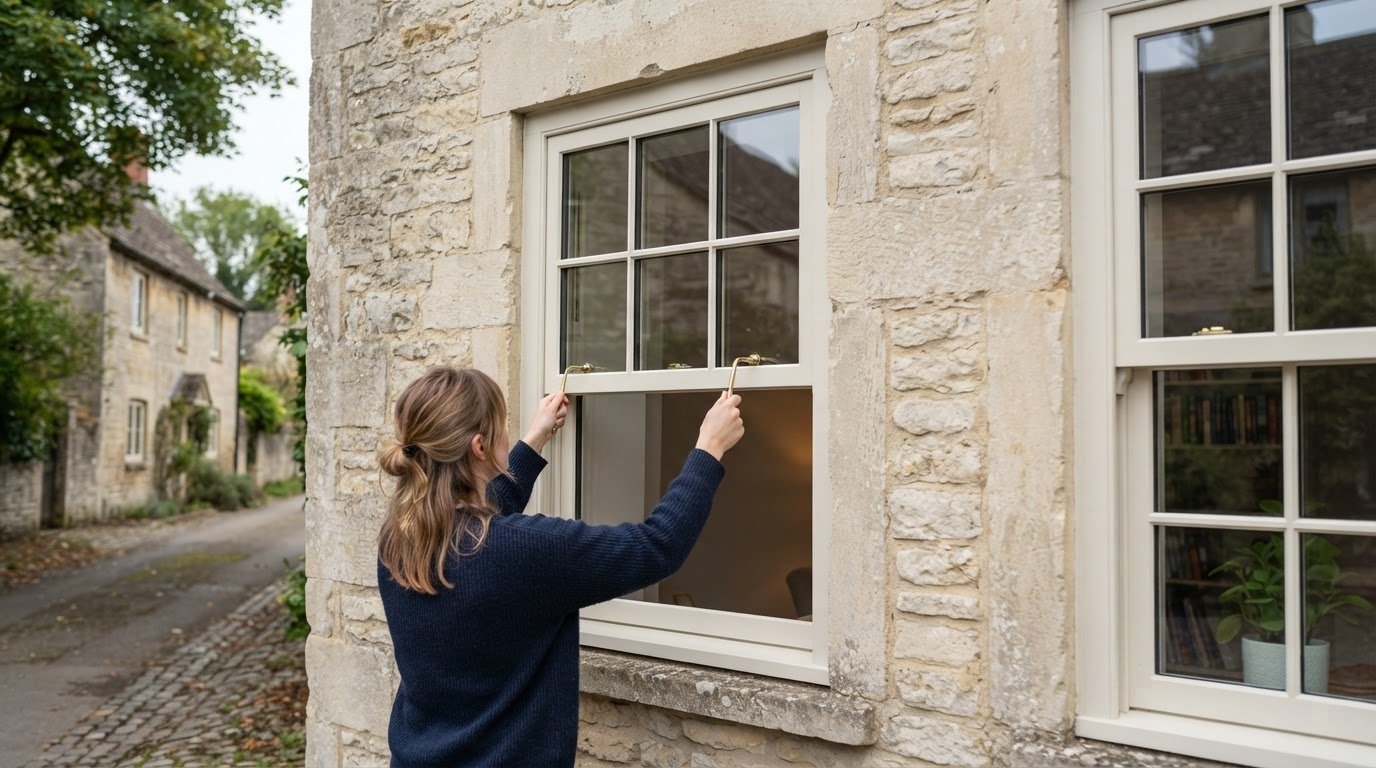
In Bristol conservation areas and at listed buildings, planning controls may affect replacement windows, including their appearance and materials. Establish the property’s designation and discuss proposed changes before ordering. A change to frame style, glazing pattern or external finish can affect planning considerations. The written proposal should describe the design clearly enough to assess against the building.
Warning signs include a quote that omits product details, unclear responsibility for fitting or pressure to agree before you have compared the written scope. Check whether the proposal covers removal, making good and disposal, and how concerns about repairs will be handled. For example, a sticking door may need adjustment or repair rather than replacement, so the diagnosis should explain the recommended work and its limits.
CERTASS registration and insurance-backed guarantees
Before hiring, ask the installer to explain their CERTASS registration and provide details you can use to verify it. Check that the registered business is the one named in your quote and contract, and ask how registration relates to the work proposed for your home. A registration claim is useful only when its scope and paperwork are clear.
Read guarantee documents separately from the sales quotation. A guarantee for the window product and cover for installation may have different terms, start dates and exclusions. Check what each document covers, who provides it, how to report a problem and what evidence to keep. For example, a guarantee covering a frame may not describe the process for resolving a fitting issue.
What to check before agreeing
For homeowners comparing the best window installers in Bristol, a written record makes registration and cover easier to assess. Ask for the CERTASS registration details, the proposed product specification, the installation scope and copies of applicable guarantee documents. Then compare those details with the contract before accepting the work. The name on each document should match the business responsible for the job.
Registration: Confirm the business name and registration details, then establish what the registration covers.
Product cover: Identify the windows covered, the provider, the start point, exclusions and claim steps.
Installation cover: Establish whether fitting is covered separately, and how faults are reported and assessed.
Paperwork: Keep the quote, contract, product specification, completion documents and guarantee terms together.
Look closely at wording such as “parts only” or “workmanship”, because each describes a different responsibility. Ask the installer to explain unfamiliar terms in writing, especially any conditions about maintenance, reporting faults or arranging repairs. A clear answer lets you compare the protection offered rather than rely on a verbal promise.
Keep a copy of the signed contract and any registration or guarantee paperwork with your home records. If a concern arises, the documents help identify whether it relates to the product, fitting or another part of the agreed work. To discuss a proposed window project and its specification, send an enquiry about your glazing requirements.
Customer testimonials
Compare Bristol installers by reading review details about communication, workmanship and aftercare, not ratings alone. Look for specific examples, such as how a company handled a fitting concern or explained a repair after installation.
A testimonial can describe a customer’s experience, but it doesn’t replace a written scope or guarantee. One homeowner reported that their windows were still performing well about six years after installation. That offers an indication of longevity, but the review alone doesn’t explain the products, fitting conditions or maintenance involved.
Read several reviews for recurring details. Comments about protecting flooring, keeping to agreed arrangements or explaining how a window operates give more context than a brief statement of satisfaction. Look for accounts that describe the survey, arrival, fitting and handover as distinct parts of the job.
Workmanship feedback is most useful when it describes an observable result. Examples include evenly set frames, opening sashes that move smoothly and neat internal finishes. A review that mentions a snag can also be informative if it explains how the installer responded and whether the issue was resolved.
Aftercare comments can clarify what happened once the installation team had left. Look for examples of how customers reported a concern, who replied and what action followed. Distinguish a company’s response to a review from a documented guarantee, since public comments don’t define formal cover or its terms.
Check the detail: Prefer reviews describing a specific window, door or stage of installation.
Notice patterns: Compare repeated comments about communication, tidiness or unresolved problems.
Read critical feedback: Note whether the response addresses the concern clearly and explains the next step.
Separate opinion from paperwork: Treat testimonials as customer experiences, not substitutes for written terms.
For anyone assessing the best window installers in Bristol, consistency across reviews matters more than a single glowing comment. Detailed accounts can reveal how customers experienced the process, while the quote and contract explain what the installer has agreed to deliver.
Use testimonials to prepare focused questions before accepting a proposal. If a review praises a tidy handover, ask what completion includes; if it mentions an adjustment, establish how concerns are reported. This connects customer accounts to practical details without treating one person’s experience as a guarantee of the same outcome.
Finally, consider whether the examples match your project. Feedback about replacing one standard window may say little about a larger, made-to-measure installation. Compare like with like, then weigh reviews alongside the proposed specification, fitting responsibilities and aftercare arrangements.
Windows, doors and conservatories
Start by matching each opening to its purpose. A front-room window may prioritise daylight and appearance, while a kitchen door needs convenient garden access. A conservatory combines wall glazing with a roof, so the roof design, ventilation and connection to the house all shape the specification. Treat each element as part of one project, rather than choosing frames in isolation.
For windows, compare frame material, opening style and glazing. Timber can suit homes where a natural finish matters; aluminium can create a defined, contemporary profile. Composite and timber-aluminium options combine materials in one window system. Casement, tilt-and-turn and fixed panes work differently, so consider how the sash opens, where furniture sits and whether the room needs an opening window or additional fixed glazing.
Double and triple glazing are options to consider alongside the frame. The right specification depends on the property, existing openings and performance priorities. For example, a large living-room opening may need a different balance of fixed and opening panes from a compact bathroom window. Ask for the proposed configuration to be clearly shown in the product schedule.
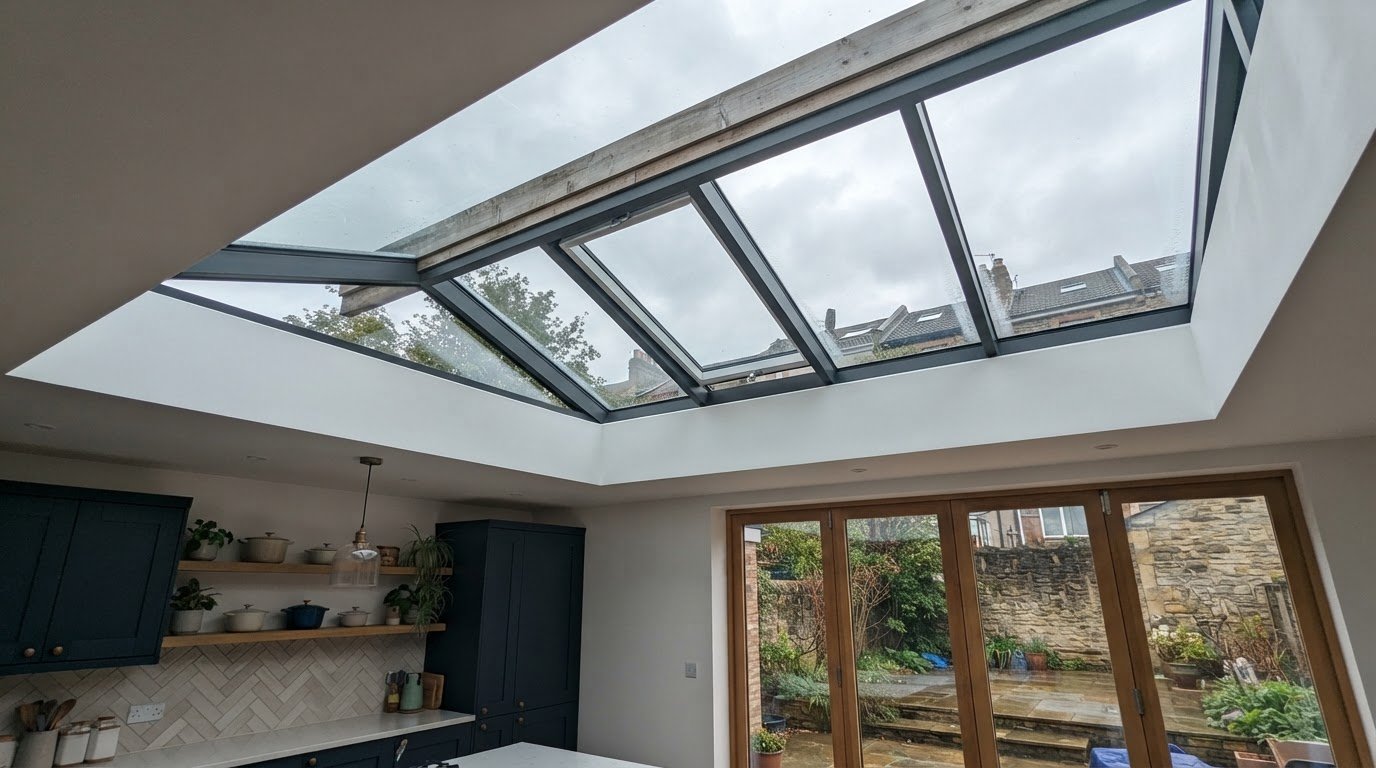
Door selection starts with the route through the home. French doors have two hinged leaves, while sliding doors move along a track. Bi-folding doors gather panels to create a wider opening. Compare available space, threshold detail and how the door will be used each day. A kitchen opening onto a patio, for instance, has different circulation needs from a front entrance.
A conservatory project needs a joined-up view of its glazing, structure and roof. Rooflights can bring daylight into an existing roof or extension, while glazed walls affect views and privacy. Consider how the space will be used, whether for dining or sitting, and how sunlight changes across the day. Plan the roof and window layout together, rather than treating them as separate purchases.
List each opening: Record its room, approximate shape, preferred operation and purpose.
Compare materials: Consider the appearance and upkeep expected from timber, aluminium or composite frames.
Map door movement: Check whether hinged, sliding or folding panels suit the available space.
Plan glazed roofs: Relate rooflights and conservatory glazing to daylight, privacy and room use.
For a coherent result, compare the full schedule across windows, doors and roof glazing. A consistent frame colour can connect different rooms, while each opening keeps the operation suited to its location. The written proposal should identify the selected products and show how their designs work together across the property.
Window film can reduce glare, improve privacy or manage heat; options depend on the type of windows in a building or conservatory. In Bristol, TrustATrader lists an average rating of 5.0 out of 5.0 for window installers, based on 227 reviews.
UPVC and aluminium window installation
Frame material affects the appearance and specification of replacement windows. Compare the opening, existing building and desired finish before settling on a design.
UPVC Window Installation
Start a window project with a survey of the opening, existing frame and surrounding wall. Accurate measurements inform the replacement unit and help plan its position. A bathroom window and a living-room bay, for example, have different shapes and opening needs. The written specification should identify the window type, glazing and operation.
During fitting, the old unit is removed, the opening prepared and the replacement frame positioned. The frame must be aligned and secured before the surrounding joint is finished. Ask for the scope to explain how internal and external finishes are handled. At handover, test each opening sash and confirm that its locking mechanism works smoothly.
The choice of frame material can depend on the building and the window’s intended configuration. Assess its appearance alongside the building and the required window configuration, rather than treating material as the only decision. A replacement should suit the opening and the room’s use. Confirm that the proposed product and fitting work are both described in the quotation.
Aluminium Window Installation
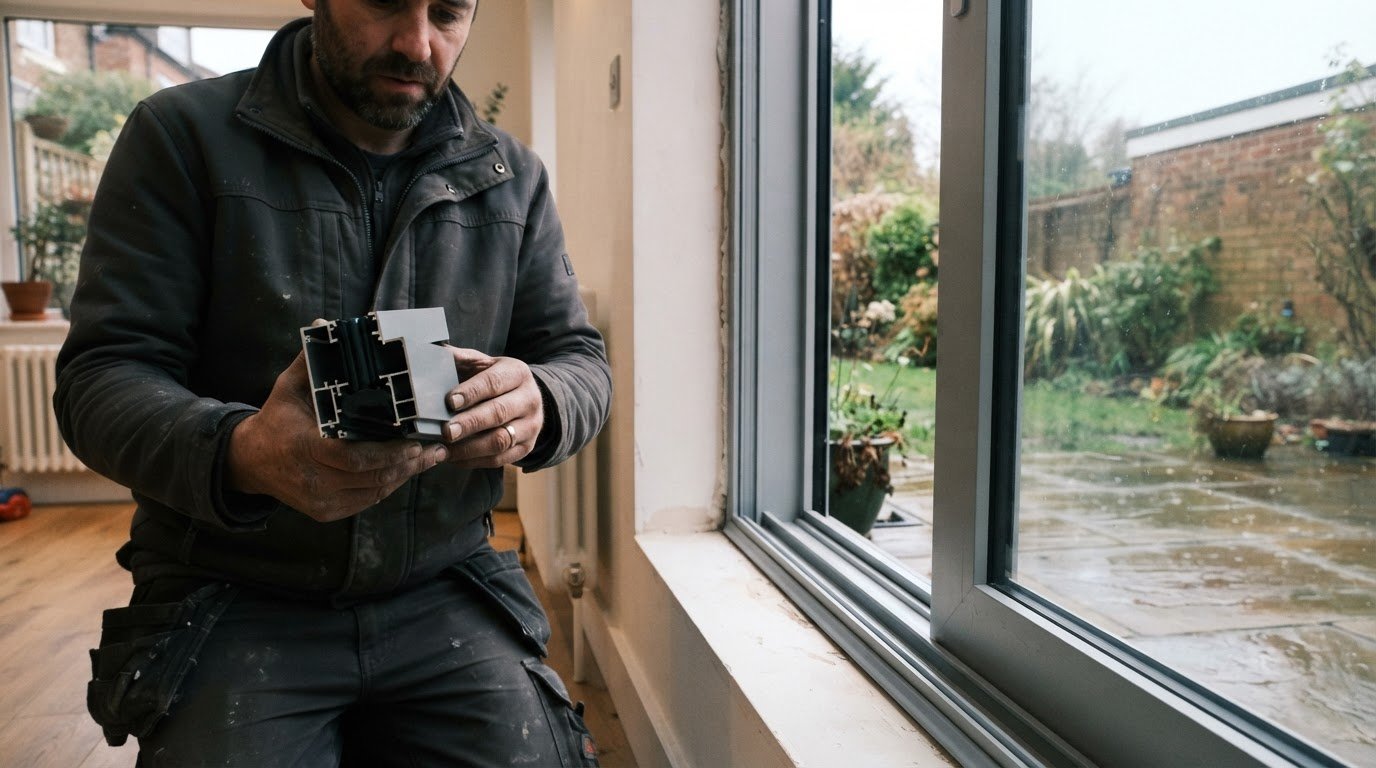
Aluminium windows suit projects where a defined frame profile is part of the design. Start with the room layout, opening dimensions and whether the window needs fixed or opening sections. A broad view, for example, may use fixed glazing beside an opening sash. Record the proposed configuration clearly before manufacture and installation.
Installation follows a measured sequence: prepare the opening, position and align the frame, secure it, then finish the joints. The installer should account for how the frame meets the surrounding wall and any existing interior finishes. Review how the window opens and closes at handover, and note any adjustments needed before signing off the work.
Aluminium is one frame-material option, not a substitute for assessing the whole project. Compare the specified profile, opening style and finish with the property’s architecture. A clear product schedule distinguishes the frame choice from glazing and fitting details, making proposals easier to compare on a like-for-like basis.
For an aluminium window project, share the opening requirements and preferred design through an aluminium window enquiry. A measured survey and project specification help shape the next steps, from selecting the frame to planning its installation.
Cost can help you assess a proposal, but compare fitting details like for like. These figures give a point of reference for the two window sizes, not a replacement for a written specification. Check that each quotation identifies the opening, proposed unit, glazing, operation and how the frame and surrounding finishes will be handled. Compare proposals against the same requirements, and ask for any differences in fitting scope to be made clear.
View Glazing
View Glazing helps shape window, door and rooflight projects through surveying, product specification and professional installation. Turn to the team when you’re ready to plan your property’s glazing, whether you’re replacing windows, choosing timber or composite frames, or planning a glazed opening.
Options include VELFAC Composite Windows, Rationel Timber Windows, Cortizo Aluminium Sliding Doors and Brett Martin Rooflights. The right choice depends on the building, the opening and the finish you want. View Glazing can guide your project from selecting suitable products through to coordinating their installation.
For a considered next step, contact View Glazing to discuss your project and the design you have in mind.
Shape a clear brief for your project
A useful next step is to define what you want each opening to achieve. Consider how you use the rooms, your property’s character and the relationship between indoor and outdoor spaces. Choose among the best window installers in Bristol by how well their proposal responds to those priorities, not simply by the appearance of an individual frame.
View Glazing can develop your project through surveying, specification and installation. VELFAC Composite Windows and Rationel Timber Windows offer distinct frame options, while Cortizo Aluminium Sliding Doors can create a considered connection between your home and garden. The right direction depends on your design aims and how you want the spaces to work together.
To begin a conversation, share the rooms or openings you’re considering, your preferred materials and any design priorities. Contact View Glazing to discuss your project and explore a considered route from initial ideas to a finished scheme. A clear brief is a positive first step towards glazing that feels right for your home.
Frequently Asked Questions
Which window installers in Bristol are best rated by customers?
No single customer rating establishes the best installer for every Bristol project. Read beyond the ratings and look for feedback about work similar to yours, such as replacing a period-home window or fitting large glazed openings. Consider whether reviews describe the finished result and communication clearly, then compare those experiences with your project’s materials, design and installation requirements.
What types of windows do Bristol installers offer, including uPVC, aluminium and timber?
Bristol window options include uPVC, aluminium and timber, alongside composite and timber-aluminium designs. View Glazing’s range includes timber and aluminium windows, plus VELFAC Composite Windows and Rationel Timber Windows. Compare the frame material, opening style and finish with your property and the way each room is used. For example, a room needing a natural frame appearance may call for a different specification from a contemporary extension.
How long does window installation take, and what preparation is needed?
Installation time depends on the number and type of windows, access to each opening and any work needed around existing frames. A project with several window styles may need a different sequence from replacing matching units. Before the team arrives, clear access to the windows and move fragile items away from the work area. Keep the agreed product schedule handy so the intended openings and configurations are clear.
What Building Regulations and planning rules apply to replacing windows in Bristol?
Whether Building Regulations apply and whether planning permission is needed are separate questions. The property’s status and the scope of work affect the requirements. In conservation areas and at listed buildings, planning controls may affect replacement windows, including their appearance and materials. Establish the property’s designation and discuss proposed changes before ordering.
Comments