.png)

The Benefits of FSC Certified Timber Windows: A Guide to Sustainable Glazing

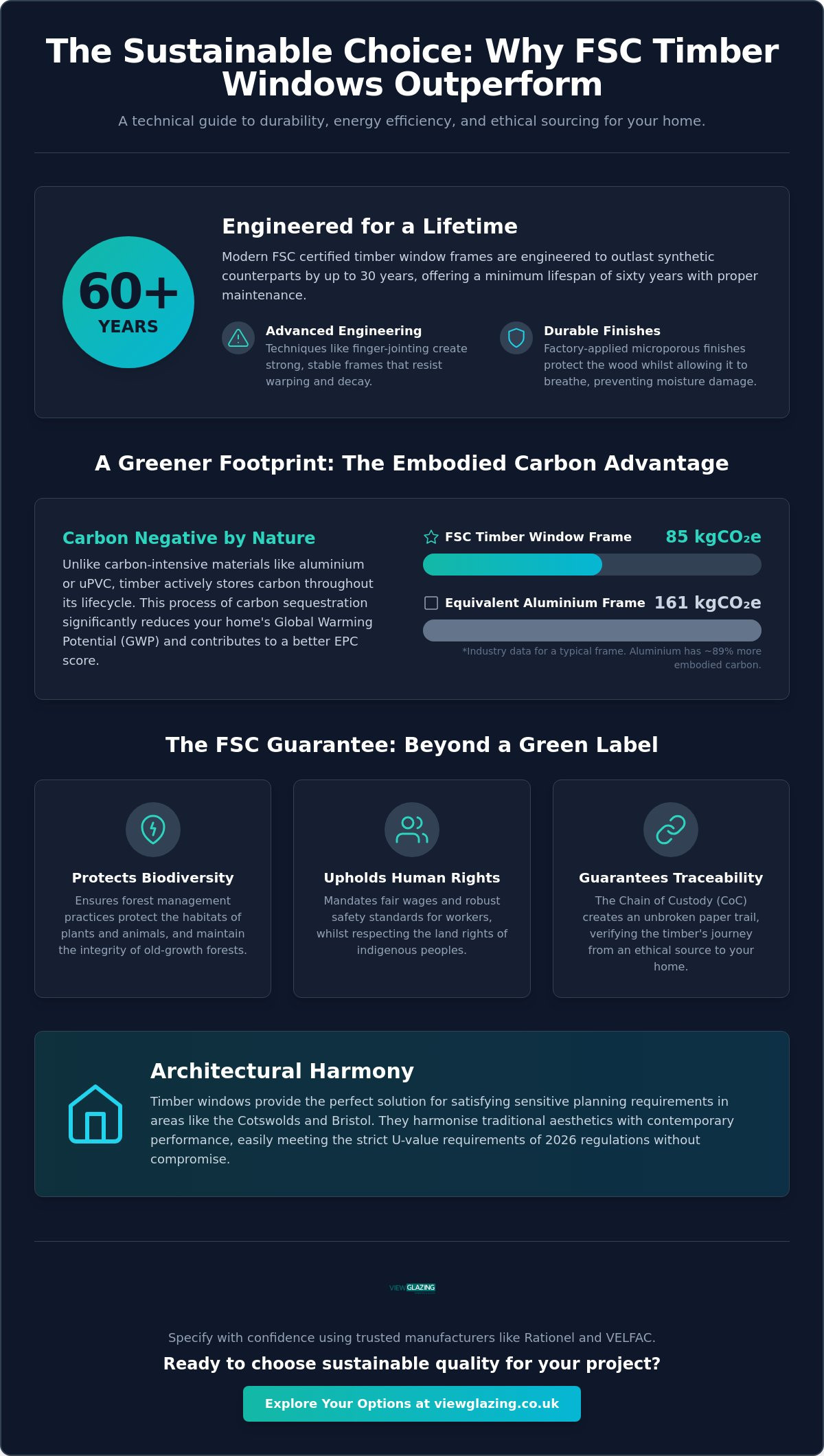
Could a window frame crafted from natural wood actually outlast its synthetic counterparts by thirty years whilst significantly lowering your home's carbon footprint? It's a question many homeowners in the Cotswolds and Bristol ask when faced with the challenge of balancing heritage aesthetics with the strict U-value requirements of 2026. Choosing FSC certified timber windows is no longer just about a "green label"; it is a technical decision that prioritises precision engineering and long-term durability over the temporary convenience of plastic.
You probably feel the pressure to choose materials that are truly sustainable, yet the fear of timber rot or the confusion surrounding "greenwashing" in the glazing industry can be daunting. We understand that your home deserves more than a compromise. This guide shows you how FSC certified timber windows combine architectural beauty with industry-leading sustainability and thermal performance for your property. We will explore the journey from ethically managed forests to your final installation, ensuring your renovation meets both planning requirements and your own high standards for energy efficiency.
Table of Contents
Understanding FSC Certified Timber Windows: A Sustainable Choice for 2026
The Environmental Performance and Thermal Efficiency of Timber
Architectural Versatility: Timber Windows in South West Heritage and Modern Builds
Durability and Maintenance: Why Modern Timber Glazing Lasts for Decades
Specifying FSC Timber Windows for Your Project with View Glazing
Understanding FSC Certified Timber Windows: A Sustainable Choice for 2026
Selecting the right materials for a renovation involves more than just comparing aesthetics; it requires a deep dive into the ethics of production. The Forest Stewardship Council (FSC) serves as the gold standard for this process, acting as an international non-profit that promotes the responsible management of the world's forests. As we approach the 2026 building regulations updates, the demand for transparency in material sourcing has never been higher. Homeowners and architects alike are moving away from vague "eco-friendly" claims in favour of rigorous, third-party verified data that proves a product's origin.
When you specify FSC certified timber windows, you'll encounter three distinct labels that define the material's composition. FSC 100% signifies that all timber used in the frame originates from FSC-certified forests. FSC Mix indicates the product contains a blend of timber from certified forests, recycled materials, or controlled wood. Finally, FSC Recycled confirms the timber is reclaimed. For most high-performance glazing projects, the FSC 100% or FSC Mix labels provide the assurance that your investment isn't contributing to global deforestation.
What Does FSC Certification Actually Guarantee?
FSC certification isn't merely a badge of environmental intent; it's a strict set of operational requirements. It ensures that forest management practices protect biodiversity and maintain the integrity of old-growth forest structures. Beyond the ecology, the certification mandates fair wages, robust safety standards for forestry workers, and the absolute respect of land rights for indigenous peoples. It transforms a simple window frame into a statement of ethical responsibility.
The Importance of Traceability in Glazing
The technical backbone of this system is the Chain of Custody (CoC). This process creates an unbroken paper trail from the original forest floor to the final installation in your home. Leading manufacturers such as Rationel and VELFAC utilise this system to ensure every timber or composite frame can be traced back to its source. This level of detail is vital because the term "sustainable" carries little weight without external verification.
Whilst organisations like the Woodland Trust work tirelessly to expand UK forest cover, the global nature of timber supply means that international standards are essential. By choosing FSC certified timber windows, you're opting for a product where the environmental impact is measured and managed at every stage. It's a methodical approach that replaces the anxiety of "greenwashing" with the peace of mind that comes from certified excellence.
The Environmental Performance and Thermal Efficiency of Timber
Performance in modern glazing is measured by more than just heat retention; it's defined by the total environmental cost of a product's life cycle. Timber stands alone as a carbon-negative material. Whilst aluminium and uPVC are carbon-intensive to produce, timber actually stores carbon for the duration of its use. This makes FSC certified timber windows a proactive choice for homeowners looking to reduce their property's Global Warming Potential (GWP) without sacrificing architectural elegance.
The difference in embodied carbon is stark. Industry data indicates that a typical timber window frame accounts for approximately 85kgCO2e of embodied carbon, whereas an equivalent aluminium frame can reach 161kgCO2e. This significant variance has a direct impact on your home's SAP rating and overall EPC score. By choosing timber, you're opting for a material that has already performed its environmental duty long before it reaches your site. If you're looking to balance these technical requirements with a specific design vision, you can speak with our technical team for a detailed specification.
Carbon Sequestration and Global Warming Potential
FSC pinewood sourced from Northern Europe is particularly effective at offsetting a home’s carbon footprint. These slow-grown softwoods are harvested from forests where new growth consistently outpaces harvesting, ensuring a continuous cycle of carbon sequestration. This natural process helps your project comply with Part L building regulations, which now demand increasingly rigorous standards for thermal efficiency and sustainable material use in both new builds and renovations.
Wood provides a tactile "warmth" that metal simply cannot replicate. The thermal performance of wood windows is naturally superior because timber does not conduct heat in the same way as aluminium. It remains warm to the touch even in the height of a British winter. When paired with high-specification triple glazing, FSC certified timber windows can achieve U-values as low as 0.7 W/m²K, far surpassing current replacement window requirements of 1.4 W/m²K.
Energy Efficiency: Beyond the Frame
Timber frames naturally eliminate the risk of thermal bridging. Because wood is a poor conductor, it prevents the "cold bridge" that often leads to internal condensation in lesser-quality frames. This synergy between the natural insulating properties of FSC timber and advanced glazing technology ensures a stable internal climate. U-values for timber units are calculated by measuring the rate of heat transfer through the entire window assembly including the frame and the glass. This holistic approach ensures your home remains energy-efficient whilst lowering your monthly utility bills.
Architectural Versatility: Timber Windows in South West Heritage and Modern Builds
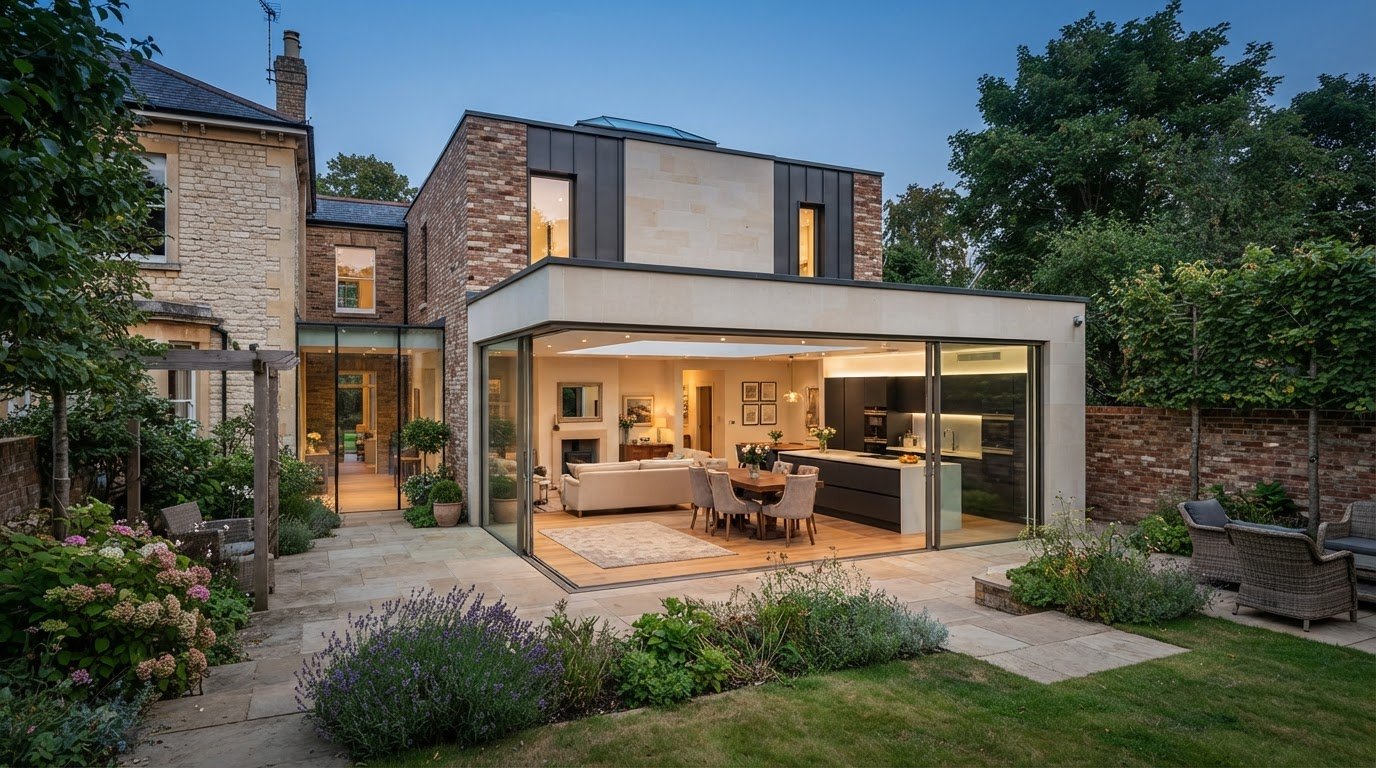
Architectural harmony is a defining characteristic of the South West's built environment. Whether you're restoring a Georgian terrace in Bath or designing a contemporary residence in Bristol, the materials you select must bridge the gap between tradition and innovation. FSC certified timber windows provide this bridge, offering an organic versatility that synthetic alternatives simply cannot replicate. They allow for the preservation of local character whilst delivering the precision engineering required for 2026 building standards.
The aesthetic flexibility of wood is perhaps its greatest asset in heritage settings. For properties constructed from iconic Cotswold stone, natural stains can be meticulously selected to harmonise with the stone's warm, golden hues. If a more modern finish is required, a comprehensive range of RAL colours is available, allowing for either subtle integration or striking architectural contrast. This customisation extends to glazing bars and hardware, ensuring every detail aligns with your specific vision and the surrounding landscape.
Timber Glazing for Listed Buildings and Conservation Areas
In many South West conservation areas, planning officers often insist on timber because it's the only material that maintains the historical integrity of a building. Navigating these requirements can be complex, especially when attempting to introduce modern thermal efficiency to a period property. High-quality FSC certified timber windows are designed to house advanced glazing within slim profiles that mirror original joinery. This ensures your home remains warm and secure without falling foul of Article 4 directions. Our dedicated glazing project management service is designed to handle these planning intricacies, ensuring a compliant and stress-free installation process from start to finish.
Modern Architectural Styles: Slim Profiles and Large Apertures
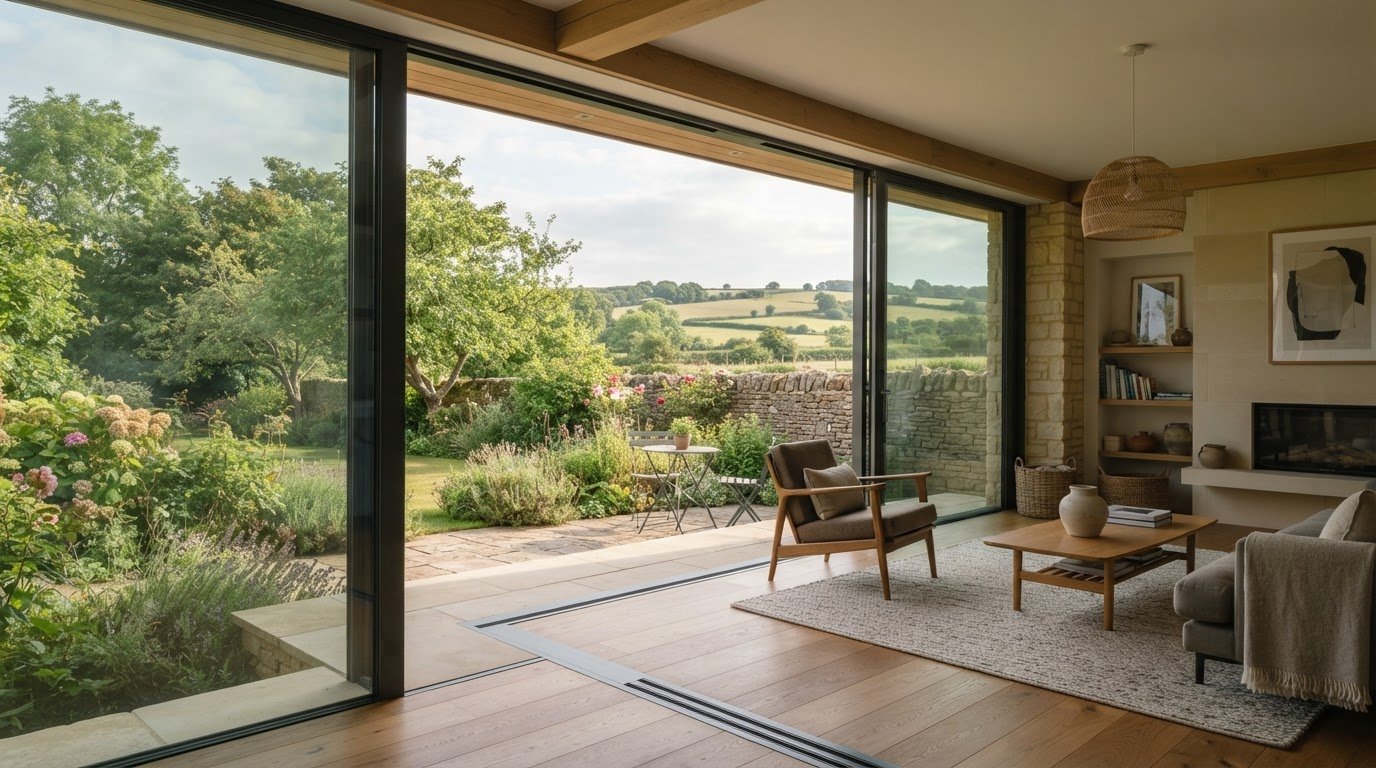
Contemporary architecture frequently demands expansive glass surfaces and minimal sightlines. Engineered timber provides the exceptional structural strength needed to support these large-scale apertures without the risk of warping or twisting over time. This stability allows for the creation of ultra-slim profiles that maximise the entry of natural light, creating a bright and airy atmosphere within the home.
To achieve a truly cohesive design, many clients choose to pair their window systems with high-performance rooflights. This combination creates a sense of architectural continuity throughout the property, effectively blurring the lines between indoor and outdoor spaces. By referencing FSC Project Certification, specifiers can be confident that every timber element in the build is ethically sourced. This approach doesn't just result in a beautiful home; it creates a sustainable living environment that feels deeply connected to its surroundings.
Durability and Maintenance: Why Modern Timber Glazing Lasts for Decades
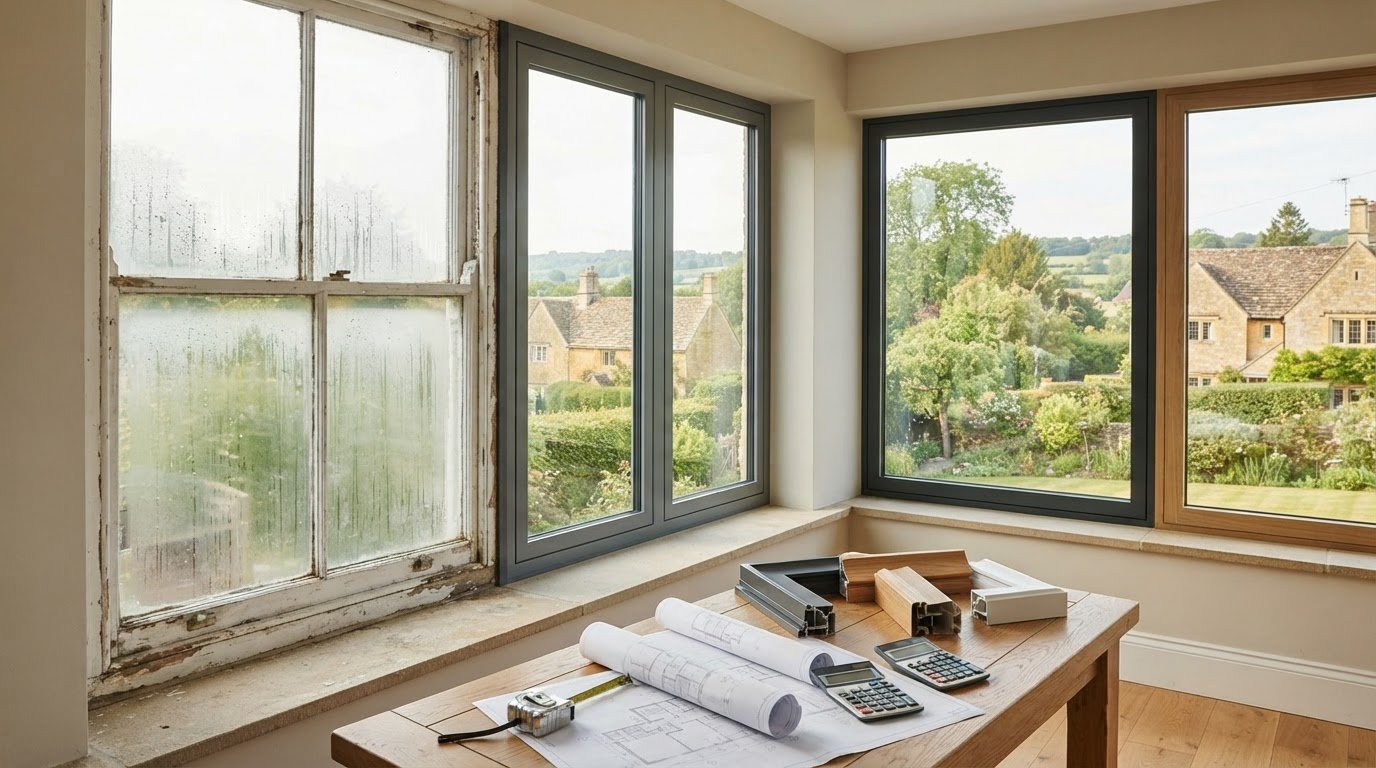
The misconception that wood is a high-maintenance material often stems from experiences with older, poorly treated joinery. Modern engineering has entirely transformed this reality. Research into the lifespan of building materials indicates that high-quality timber windows can last for 60 years or more, which is effectively double the expected service life of many uPVC alternatives. For homeowners in the damp, maritime climate of the South West, choosing FSC certified timber windows is an investment in a product designed to withstand moisture whilst maintaining its structural integrity for generations.
This longevity is not accidental; it's the result of advanced manufacturing techniques that address the natural vulnerabilities of wood. By utilising factory-controlled environments and precision-bonded sections, manufacturers have eliminated the traditional risks of rot and decay. These windows are built to perform as a permanent part of your home's architecture rather than a temporary fixture that requires replacement every two decades.
The Manufacturing Process: Engineered for Stability
The primary secret to this stability lies in the science of finger-jointing. During production, any major knots or natural imperfections are removed from the timber. The remaining clear sections are then joined using high-strength, interlocking "fingers" and moisture-resistant adhesives. This process creates a frame that is significantly more stable than solid wood sections, as the opposing grain directions within the engineered timber prevent the warping, twisting, or sticking often associated with traditional joinery.
We specify slow-grown Northern European pine because its high density offers natural resistance to the elements. During the growth process, these trees develop a tight grain structure that makes the wood inherently durable. If natural resins occasionally appear on the surface during the first few years, they can be easily removed once dry without compromising the frame. This resilient base is then protected by factory-applied microporous paints. Unlike traditional gloss, these coatings allow the wood to breathe whilst providing a flexible, water-resistant barrier that won't crack or peel as the seasons change.
Maintenance Schedules for the UK Homeowner
Maintaining the performance of your glazing is a straightforward process that requires minimal effort. We recommend an annual check to look for any debris amongst the weather seals or hardware. Keeping these areas clean ensures the window remains airtight and the opening mechanisms continue to operate smoothly. A simple wash with warm, soapy water is usually sufficient to preserve the protective coating and keep the frames looking pristine.
The choice of manufacturer also plays a vital role in reducing your long-term workload. For instance, Rationel windows are renowned for their high-build factory finishes, which significantly extend the intervals between re-decoration. Whilst traditional windows might need painting every few years, modern engineered systems typically only require a fresh topcoat every five to eight years, depending on their exposure to the sun and wind. If you would like to see technical data on the service life of our systems, you can contact our technical team for a detailed consultation.
Specifying FSC Timber Windows for Your Project with View Glazing
Realising a complex architectural vision requires more than just high-quality components; it demands a structured, professional approach to project management. At View Glazing, we act as the essential link between your design aspirations and the technical realities of modern construction. Specifying FSC certified timber windows is a significant step toward a sustainable home, but the success of that investment depends on the precision of the initial survey and the skill of the final installation.
We work exclusively with industry-leading manufacturers like Rationel and VELFAC because their commitment to excellence matches our own. These brands don't just provide frames; they offer engineered systems that meet the rigorous thermal and environmental standards we have discussed in this guide. For architects and developers, we provide comprehensive technical specifications that simplify the planning process. Whether you're working on a bespoke new build in the Cotswolds or a sensitive restoration in Bath, we ensure every detail is documented and every performance target is met.
Our Full-Service Glazing Management
A successful installation begins long before our team arrives on site. Our professional site surveys across the South West are designed to identify potential challenges early, from structural requirements to specific access constraints. We maintain close communication with your builders and site managers to ensure a seamless fit that preserves the airtightness of the building envelope. This methodical coordination is particularly vital when installing VELFAC windows, where the integration of timber and aluminium must be handled with specialised care to achieve peak performance standards.
Requesting Your Sustainable Glazing Consultation
Taking the next step in your renovation or construction project should be a clear and unpressured process. We provide accurate, transparent quotes for FSC certified timber windows based on your specific drawings or site measurements. Whilst digital brochures offer a glimpse of the possibilities, we always encourage clients to visit our partner showrooms. Seeing the grain of the timber and the quality of the factory finish first-hand helps you appreciate the tactile difference that precision joinery makes to a living space.
Our team is ready to guide you through the selection of finishes, glazing options, and hardware to ensure your project exceeds your expectations for both beauty and performance. Contact View Glazing today to discuss your sustainable glazing project and discover how we can bring your architectural vision to life with integrity and skill.
Investing in a Sustainable Architectural Legacy
Selecting the right glazing is a decision that shapes the character and comfort of your home for decades. By choosing FSC certified timber windows, you're investing in a material that offers a rare combination of carbon-negative performance and timeless architectural beauty. We've explored how modern engineered timber eliminates the maintenance anxieties of the past, providing a stable, high-performance solution that respects the heritage of the South West whilst meeting the rigorous energy standards of 2026.
At View Glazing, we specialise in bridging the gap between high-end architectural design and technical execution. As expert installers of Rationel and VELFAC systems, we provide comprehensive project management that takes you from an initial expert survey to a precision finish. Whether your project involves a sensitive Cotswold restoration or a minimalist Bristol extension, our team is here to ensure your vision is realised with absolute precision and care.
Take the first step toward enhancing your home's efficiency and aesthetic appeal. Book a technical survey for your timber glazing project today to discuss your requirements with our specialist team. We look forward to helping you create a sustainable, light-filled space that you'll enjoy for years to come.
Frequently Asked Questions
Are FSC certified timber windows more expensive than uPVC?
Timber windows generally require a higher initial investment, often costing at least 50% more than uPVC alternatives. This price difference reflects the premium quality and significantly longer lifespan of the material. Whilst uPVC may need replacing every 25 years, engineered timber can last for 60 years or more. Over the total life of your property, the cost per year of service for timber is frequently more economical than synthetic options.
How often do I need to paint my FSC timber windows?
Modern factory-applied finishes typically require a fresh topcoat every five to eight years. This interval depends on your property's exposure to the sun and wind, as well as the specific colour chosen. Unlike traditional site-painted wood, these microporous coatings don't peel or crack. They allow the timber to breathe whilst providing a robust barrier against the British weather, which significantly reduces your long-term maintenance workload.
What is the difference between FSC and PEFC certification?
Both systems promote responsible forest management, but they operate under different organisational structures. The FSC is an international non-profit supported by major environmental NGOs, whilst PEFC acts as an umbrella organisation for national certification schemes. Both ensure your timber is sourced ethically. When you specify FSC certified timber windows, you're choosing a standard globally recognised for its rigorous biodiversity and social requirements during the harvesting process.
Can I use timber windows in a conservation area in Bristol or Bath?
Timber is frequently the only material permitted by planning officers in sensitive conservation areas such as Clifton or central Bath. Its natural aesthetic and traditional joinery profiles help maintain the historical integrity of listed buildings and heritage streets. We work closely with local authorities to ensure our timber systems satisfy specific planning requirements whilst providing the high thermal performance and security expected in a modern home renovation.
Do timber windows provide better insulation than aluminium?
Timber is a natural insulator and generally offers superior thermal performance to standard aluminium frames. Wood doesn't conduct heat or cold in the same way as metal, which helps to eliminate cold bridges and reduce internal condensation. When paired with high-specification triple glazing, FSC certified timber windows can achieve U-values as low as 0.7 W/m²K. This makes them an ideal choice for homeowners prioritising energy efficiency and low utility bills.
Is FSC certified wood always sustainable?
FSC certification is the most reliable indicator that wood has been harvested in a way that protects the forest's long-term health. It guarantees the timber comes from forests where growth exceeds harvesting and biodiversity is protected. Whilst no material is entirely impact-free, choosing certified timber ensures your building project supports ethical forestry practices. It's a proactive way to avoid contributing to global deforestation or illegal logging operations.
What happens if the resin leaks from the timber frames?
Natural resins may occasionally appear on the surface of slow-grown pine during the first few years of service. If this occurs, you should allow the resin to dry and crystallise before gently removing it with a stiff brush. This is a natural characteristic of high-quality timber and doesn't indicate a defect in the frame. Once removed, the area can be touched up with matching microporous paint to maintain the protective seal.
Are timber windows high maintenance in the UK climate?
Engineered timber windows are specifically designed to thrive in the damp UK climate with minimal intervention. The stability of finger-jointed wood prevents the warping and sticking common in older, traditional joinery. An annual check of the seals and hardware, combined with a simple wash of the frames, is usually all that's required. This methodical approach ensures your windows remain airtight, functional, and aesthetically pleasing for many decades to come.
Comments