.png)

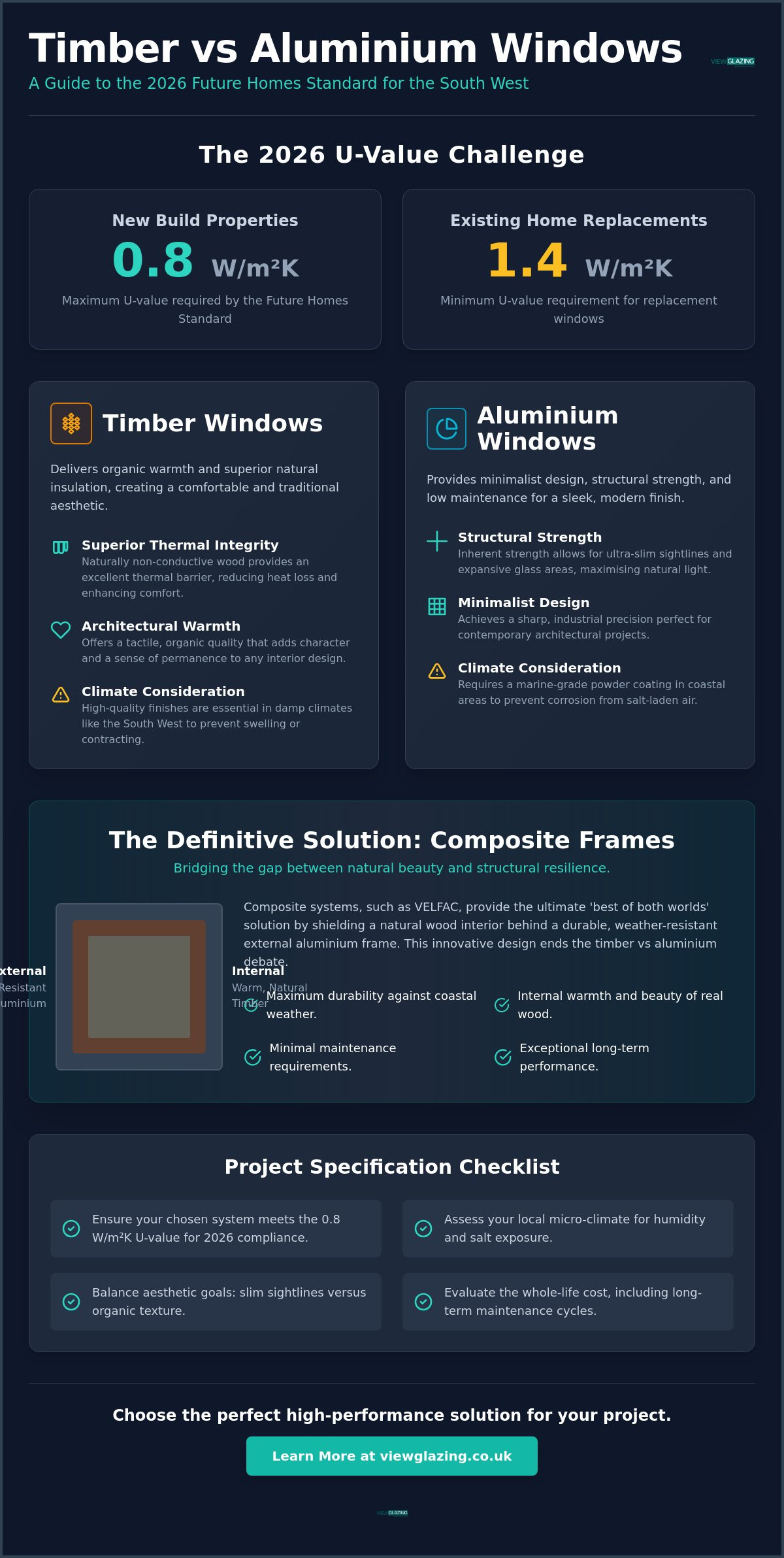
Timber vs Aluminium Windows: The Definitive 2026 Comparison Guide

In the damp, coastal climate of the South West, the choice between timber vs aluminium windows is often framed as a battle between tradition and technology, yet the 2026 building regulations have completely rewritten the rules of this rivalry. You might worry that timber will inevitably succumb to the Atlantic rain or that sleek aluminium frames will leave your living space feeling cold and industrial. These anxieties are understandable when you're balancing a specific architectural vision with the rigorous thermal demands of the Future Homes Standard.
We agree that selecting the right glazing is a high-stakes investment. It must provide a sanctuary of warmth while enhancing your property's character. This guide will help you discover the critical differences between timber and aluminium glazing so you can choose the perfect high-performance solution for your project. We'll explore the latest 2026 U-value requirements, including the 0.8 W/m²K standard for new builds, compare long-term maintenance cycles, and reveal how modern composite designs are bridging the gap between natural beauty and structural resilience.
Table of Contents
The Core Dilemma: Balancing Natural Aesthetics with Modern Performance
The choice between timber vs aluminium windows is rarely a matter of simple preference; it's a decision that defines the architectural soul and thermal longevity of your home. Traditionally, this has been a binary choice. You either opted for the organic, tactile warmth of wood or the sharp, industrial precision of metal. However, as we move through 2026, the stakes have risen significantly. The Future Homes Standard now mandates a maximum U-value of 0.8 W/m²K for new-build properties, whilst existing home replacements must achieve at least 1.4 W/m²K. This means your choice of window frame materials isn't just about the visual finish. It's a technical commitment to engineering compliance and long-term energy security.
In the South West, we face a distinct environmental challenge known as material fatigue. The persistent moisture of the Bristol Channel and the driving winds across the Cotswolds test every joint, seal, and finish. A frame that appears flawless in a showroom might struggle when faced with decades of Atlantic weather. Understanding how these materials behave under environmental stress is the first step toward a successful, stress-free installation.
Why Material Choice Dictates Your Project Success
The material you select directly governs the volume of natural light entering your living space. Aluminium is celebrated for its inherent structural integrity, which allows for ultra-slim sightlines and expansive glass areas that modern architecture demands. Conversely, traditional timber frames often require slightly deeper profiles to maintain their strength, though they offer a level of thermal integrity that is naturally superior. This physical footprint changes the rhythm of your facade and how you experience the view from within.
We always encourage our clients to look beyond the initial purchase price and consider the whole-life cost of their glazing. A frame that requires frequent repainting or fails to meet the evolving 2026 energy standards will eventually become a financial and practical burden. Choosing high-performance systems like Rationel timber ensures that your windows remain a permanent asset rather than a recurring maintenance task.
The South West Climate Factor
Geography plays a silent but significant role in window performance. In cities like Bath and Bristol, high humidity levels can cause inferior timber to swell or contract; this movement can compromise the airtight seals required for modern building regulations. If you're building or renovating in these damp micro-climates, the species of wood and the quality of the factory-applied finish are absolutely non-negotiable.
For projects closer to the coast or in exposed rural heights, aluminium frames often require a marine grade powder coating. This specialist treatment prevents salt-laden air from pitting or corroding the metal surface over time. By matching the frame material to your specific local exposure, you protect the structural integrity and aesthetic beauty of your architectural project for the next forty to sixty years.
Timber Windows: Architectural Warmth and Superior Thermal Integrity
The natural cellular structure of wood provides an inherent thermal barrier that man-made materials struggle to replicate without complex internal engineering. When evaluating timber vs aluminium windows, the thermal integrity of solid wood remains a gold standard for many architects. Timber is naturally non-conductive; it keeps the heat exactly where you want it whilst maintaining a surface that is warm to the touch. This tactile quality creates a psychological sense of comfort and permanence that is difficult to quantify but immediately felt upon entering a room. It transforms a house into a home, grounding the interior design with organic textures that age gracefully over time.
Modern timber systems have moved far beyond the high-maintenance reputation of previous generations. Today, precision factory-applied finishes and micro-porous paints allow the wood to breathe whilst providing a robust shield against the elements. These advancements mean that the upkeep required for a contemporary timber frame is minimal, typically involving a simple wipe-down and infrequent inspections rather than the arduous sanding and repainting of the past. This evolution ensures that the beauty of the grain is preserved without the historical burden of constant labour.
The Performance of Rationel Timber Glazing
Rationel windows are engineered using multi-layered, laminated timber sections. This process involves bonding wood grains in opposing directions to neutralise natural movement and prevent the warping that often plagued traditional joinery. For homeowners in Wiltshire or the Cotswolds, this structural stability makes timber an ideal choice for listed buildings and conservation areas where authentic aesthetics must meet modern performance. Multi-layered timber frames naturally achieve lower U-values than standard aluminium because the wood itself acts as a continuous thermal break.
Sustainability and Longevity in 2026
When weighing up timber vs aluminium windows, the environmental credentials of wood are often the deciding factor for eco-conscious homeowners. Every frame we specify is sourced from FSC-certified forests, supporting responsible woodland management. Timber sequests carbon throughout its growth, retaining it within your home. Modern preservation techniques, like Accoya treatment, extend lifespans to 60 years or more. This is evidenced by the Whole Life Analysis of timber and aluminium windows, which highlights the superior environmental value of modified timber.
For a deeper exploration of how these materials fit into an eco-conscious project, our sustainable windows South West guide provides comprehensive insights. If you are ready to discuss how high-performance timber can transform your architectural vision, we invite you to get in touch with our specialist team for a tailored consultation.
Aluminium Windows: Minimalist Design and Structural Strength
Whilst timber provides a sense of organic permanence, aluminium offers the structural precision required for the most ambitious contemporary designs. In the ongoing debate regarding timber vs aluminium windows, the choice of metal is frequently driven by a desire for minimalist aesthetics and expansive, uninterrupted views. The inherent strength of aluminium alloy allows for frames that are significantly narrower than their timber counterparts, supporting vast panes of glass without compromising the integrity of the window system. This structural capability is what enables the 'glass wall' effect that has become a hallmark of modern residential architecture.
Maintenance is another area where aluminium excels. The frames are typically finished with a high-quality polyester powder coating, a process that bonds the colour to the metal at a molecular level. This results in a surface that is exceptionally resistant to scratching, fading, and the corrosive effects of urban pollution. Unlike timber, which may require periodic refinishing to maintain its weather resistance, aluminium frames are virtually maintenance-free; they need only an occasional wash with soapy water to retain their original lustre. With a spectrum of over 200 RAL colours available, architects can specify finishes that range from subtle, matte charcoals to bold, metallic bronzes.
Cortizo: The Standard for Modern Slim Glazing
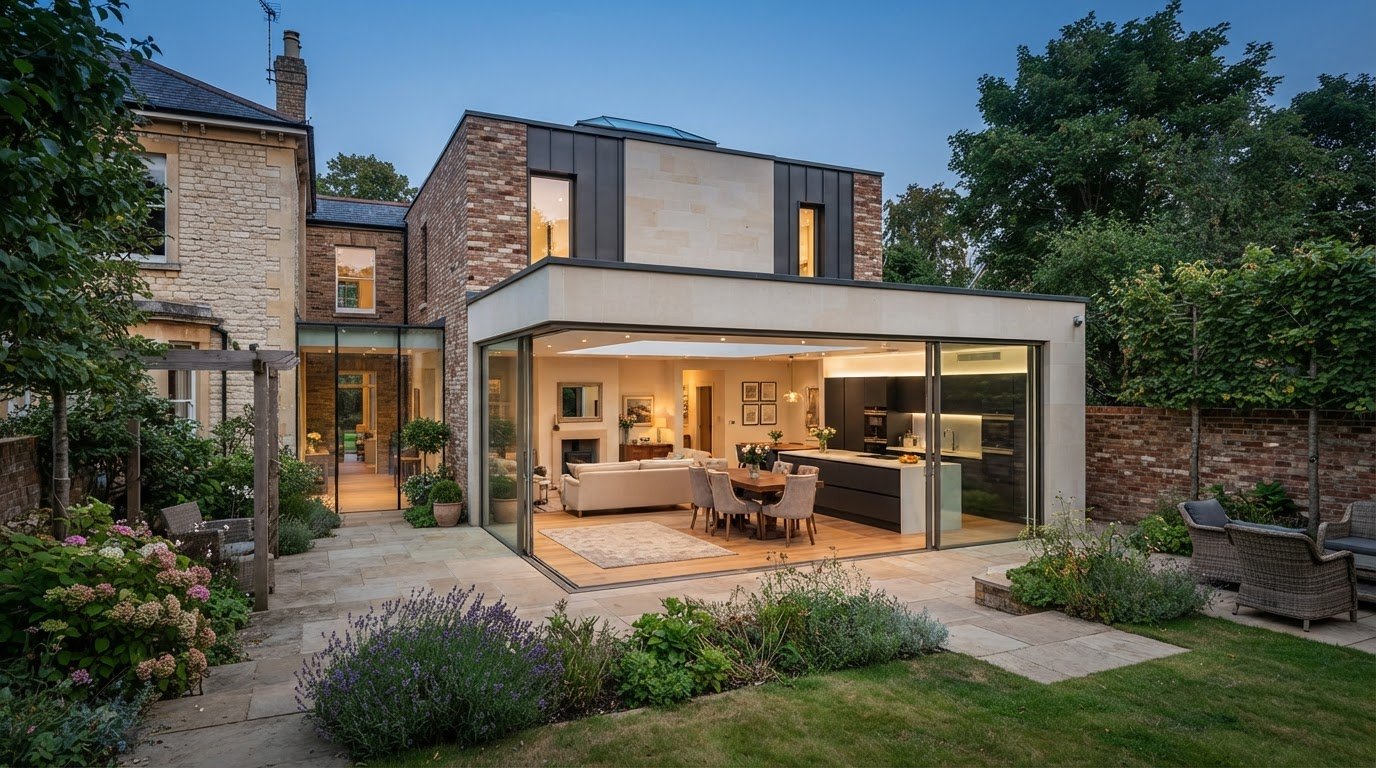
Cortizo has established itself as the benchmark for ultra-slim glazing, particularly where large-scale sliding doors or glazed links are concerned. These systems are designed to maximise the glass-to-frame ratio, often featuring interlocking profiles as slim as 20mm. This minimalist approach doesn't sacrifice safety. The natural rigidity of the alloy provides a formidable barrier against forced entry, ensuring that even the most delicate-looking installations meet rigorous security standards. It's this combination of elegance and resilience that makes aluminium the default choice for high-end renovations in Bristol and the surrounding counties.
Thermal Performance and Comfort
A comparison of the thermal comfort of timber vs aluminium windows reveals how engineering has bridged the historical gap. Traditionally, the main drawback of metal windows was their tendency to conduct cold and encourage condensation. Modern engineering has solved this through the integration of polyamide thermal breaks. These are non-conductive barriers inserted between the inner and outer sections of the frame, effectively halting the transfer of heat and eliminating cold spots. This technology ensures that aluminium windows can comfortably meet the 2026 U-value requirements whilst maintaining a warm internal surface. Aluminium is also 100% recyclable without any loss of quality, making it a sustainable choice for those looking to support a circular economy.
The Composite Revolution: Why VELFAC Ends the Debate
For decades, the decision between timber vs aluminium windows was a binary choice that required homeowners to prioritise either character or convenience. Composite glazing has disrupted this traditional trade-off by placing a durable aluminium sash on the exterior and a warm timber frame on the interior. This isn't just a hybrid solution. It's the 2026 specification standard for architects who refuse to compromise on either longevity or aesthetics. By shielding the timber from the elements, composite systems eliminate the risk of rot whilst providing the natural insulating properties that only wood can offer. It's a technical triumph that brings peace of mind to any high-end renovation.
One of the most significant architectural advantages of this system is the achievement of uniform sightlines. In many traditional window systems, the appearance of the frame changes depending on whether the window is fixed or opening. VELFAC systems are engineered so that all units look identical from the outside, creating a clean, symmetrical facade that enhances the property's overall rhythm. The results are seamless. When you consider the full lifecycle of a building, the cost-benefit ratio of composite becomes undeniable. The initial investment is offset by near-zero external maintenance costs and a lifespan that comfortably exceeds forty years.
VELFAC: The Ultimate Architectural Glazing
Our work with VELFAC windows Bristol projects demonstrates how these systems thrive in urban environments where pollution and weather can be harsh. The external aluminium sash requires no repainting; it acts as a permanent shield for the inner wood. Despite this dual-material construction, VELFAC maintains slim 54mm sightlines that rival the most minimalist pure aluminium frames. This allows for maximum light penetration whilst retaining a soft, natural feel within the living space. It's the perfect resolution for those who love the look of metal but crave the comfort of wood.
Comparing Performance: Timber vs Aluminium vs Composite
When comparing U-values, composite systems often lead the market by combining the natural thermal mass of wood with advanced thermal breaks in the aluminium casing. This results in exceptional air tightness. This is vital for high-exposure locations like the Cotswolds where wind-driven rain can test inferior seals. For those managing a contemporary construction, our architectural windows new build guide provides the specific technical data needed for building regulation compliance. If you're ready to see how composite glazing can resolve the timber vs aluminium windows dilemma for your project, contact our architectural team today for a detailed specification review.
Specification Guide: Selecting the Right Glazing for Your Project
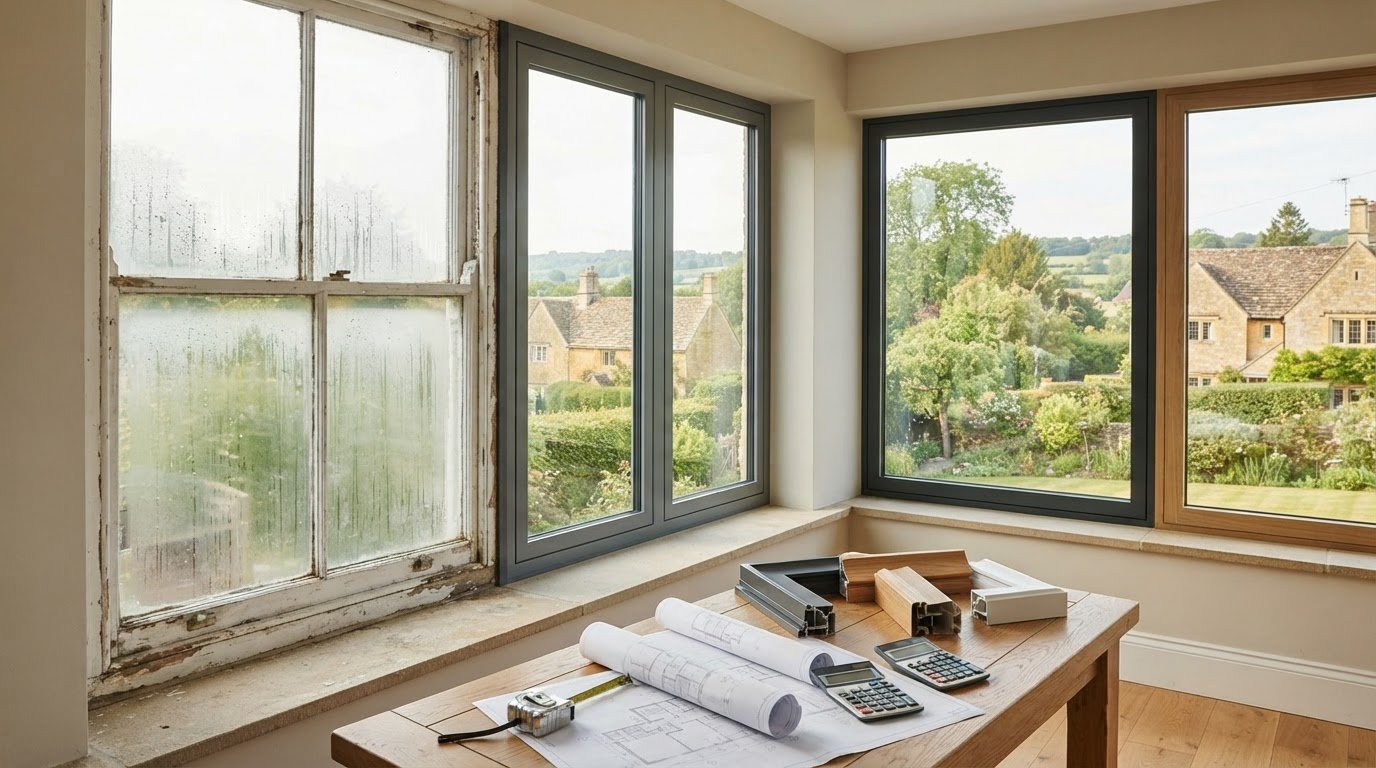
Navigating the technicalities of timber vs aluminium windows requires a structured approach to ensure the final specification aligns with your lifestyle and your property's architectural requirements. We recommend following this five-step guide to refine your choice before committing to a final order.
Step 1: Identify Architectural Constraints. Determine if your property sits within a conservation area or carries a Listed status. In these instances, traditional timber is often a planning prerequisite to preserve historical character.
Step 2: Assess Local Exposure. Consider your micro-climate. If your home is situated on an exposed hillside in the Cotswolds or a coastal path, the structural resilience of aluminium or the protective layering of composite glazing is often the most prudent choice.
Step 3: Evaluate Maintenance Appetite. Be honest about your long-term commitment to upkeep. Whilst modern factory-finished timber is resilient, aluminium and composite systems offer a near-zero maintenance profile that suits a busier lifestyle.
Step 4: Define Thermal Targets. If you are aiming for Passivhaus standards or the strict 0.8 W/m²K requirement of the 2026 Future Homes Standard, your material choice must support high-performance triple glazing without excessive frame bulk.
Step 5: Consult a Specialist. Digital brochures cannot replicate the tactile experience of operating a high-quality sash. Seeing physical samples allows you to judge the weight, finish, and build quality of each material firsthand.
Professional Surveying and Sourcing
A professional survey is the foundation of any successful glazing installation. It identifies the structural requirements for large-scale glass and ensures that the chosen frame material can support the intended loads. Our glazing project management approach allows us to source from a diverse portfolio of brands, ensuring your specification is never limited by a single manufacturer's range. A bespoke specification is superior to off-the-shelf solutions because it accounts for the unique apertures and thermal bridges of your specific building, resulting in a cleaner finish and better energy performance.
Making the Final Decision
The debate over timber vs aluminium windows ultimately concludes when you balance your aesthetic vision with practical realities. Choose timber for its organic warmth and traditional integrity; select aluminium for its minimalist strength and slim profiles; or opt for composite if you require the ultimate longevity of the "best of both worlds". We encourage you to visit a showroom to experience the differences in operation and texture before making your final selection. To begin your journey toward architectural excellence, contact View Glazing for a professional specification and survey.
Realising Your Architectural Vision
The evolution of building regulations in 2026 has transformed the selection of timber vs aluminium windows from a simple aesthetic preference into a critical technical decision. Whether you prioritise the natural thermal integrity of Rationel timber or the minimalist structural strength of Cortizo aluminium, your choice will define the performance and character of your home for decades. For many, the composite revolution offered by VELFAC provides the ultimate resolution; it pairs external resilience with internal warmth to meet the most demanding environmental standards whilst maintaining a sophisticated architectural profile.
As expert architectural glazing specialists across the South West, we provide comprehensive project management from the initial survey to final installation. Our team acts as approved installers for VELFAC and Rationel, ensuring your project benefits from precision engineering and professional oversight. We invite you to book a professional glazing survey and specification to explore how these high-performance materials can be tailored to your specific architectural goals. Your journey toward a beautifully lit, energy-efficient home starts with a single, expert consultation.
Frequently Asked Questions
Is aluminium better than timber for energy efficiency in 2026?
Timber remains the superior natural insulator, but modern aluminium has closed the gap through advanced engineering. Under the 2026 Future Homes Standard, both materials can achieve the required 0.8 W/m²K for new builds when paired with high-performance triple glazing. The choice often depends on whether you prefer the organic warmth of wood or the sleek, thermally-broken precision of metal.
Do timber windows really rot in the UK climate?
Modern engineered timber windows don't rot like the single-glazed joinery of the past. By using laminated sections that neutralise movement and micro-porous factory finishes that allow the wood to breathe, brands like Rationel ensure moisture cannot penetrate the core. When maintained correctly, these windows have a verified lifespan exceeding 60 years, even in the damp South West climate.
How much more expensive are composite windows compared to aluminium?
Composite windows typically require a higher initial investment than pure aluminium due to their dual-material construction. However, they are often the most cost-effective long-term solution for a project. They combine the near-zero maintenance of an aluminium exterior with the superior thermal integrity of a timber interior, significantly reducing lifecycle costs and heating requirements over several decades.
Can I have aluminium windows in a conservation area in Bath or Bristol?
Planning permissions in the conservation areas of Bath and Bristol usually favour timber to maintain historical character. Whilst aluminium is frequently permitted for modern rear extensions, the primary facade of a period dwelling usually requires the authentic profile of wood. We recommend reviewing local planning precedents with a specialist before finalised your choice between timber vs aluminium windows.
What is the typical lifespan of a VELFAC composite window?
A VELFAC composite window has a typical design life of 40 years or more. This longevity is achieved by the external aluminium sash, which acts as a permanent shield for the internal timber frame against UV degradation and driving rain. This structural synergy ensures the window remains high-performing and aesthetically consistent throughout its entire lifespan without the need for external repainting.
Are aluminium windows high maintenance?
Aluminium windows are exceptionally low maintenance, requiring only an occasional wipe with soapy water to remove surface soot and salt. The polyester powder-coated finish is designed to resist fading, pitting, and scratching for decades without intervention. Unlike timber, there's no requirement for sanding or refinishing, making them an ideal choice for exposed elevations or hard-to-reach windows.
Which material is better for large sliding patio doors?
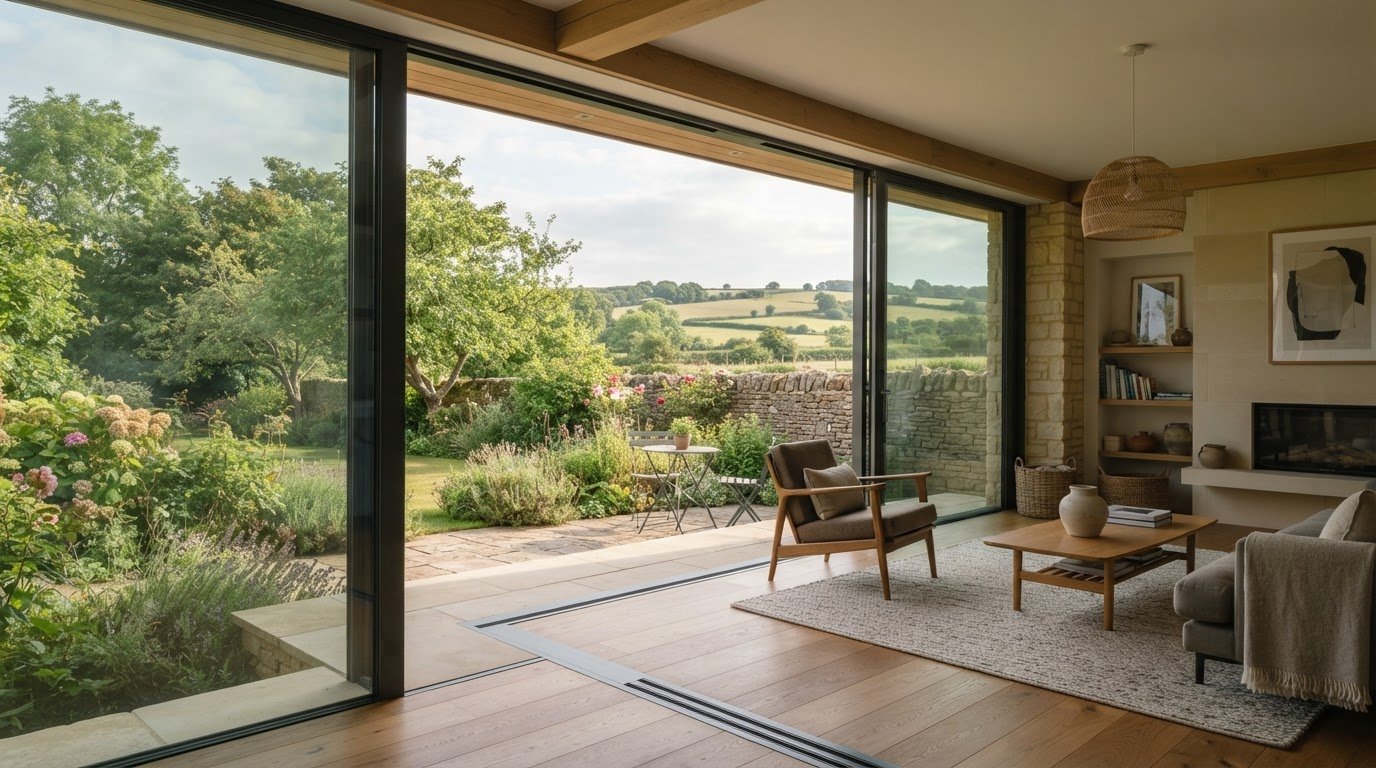
Aluminium is the superior choice for large sliding patio doors because its inherent strength supports heavier glass loads with much slimmer profiles. Systems like Cortizo allow for vast, floor-to-ceiling panes of glass that would be structurally impossible or prohibitively bulky in timber. This ensures maximum natural light and the minimalist sightlines that define contemporary architectural excellence.
How do U-values differ between timber and aluminium frames?
Timber frames naturally offer lower U-values because wood is a non-conductive material that prevents heat transfer through the frame itself. Aluminium relies on polyamide thermal breaks to halt heat loss, which is highly effective but technically more complex. Whilst both materials comfortably meet 2026 building regulations, timber provides a more consistent thermal envelope across the entire frame surface.
Comments